

Skip to content
GEVSELEVATING TRUST. EVERY FLOOR.

Societies · Offices · Institutions

Passenger Elevators in Pune

Lifts that carry people in apartment towers, housing societies, offices and institutions, sized to the building's height and traffic.

Towers, offices, hotels and institutions

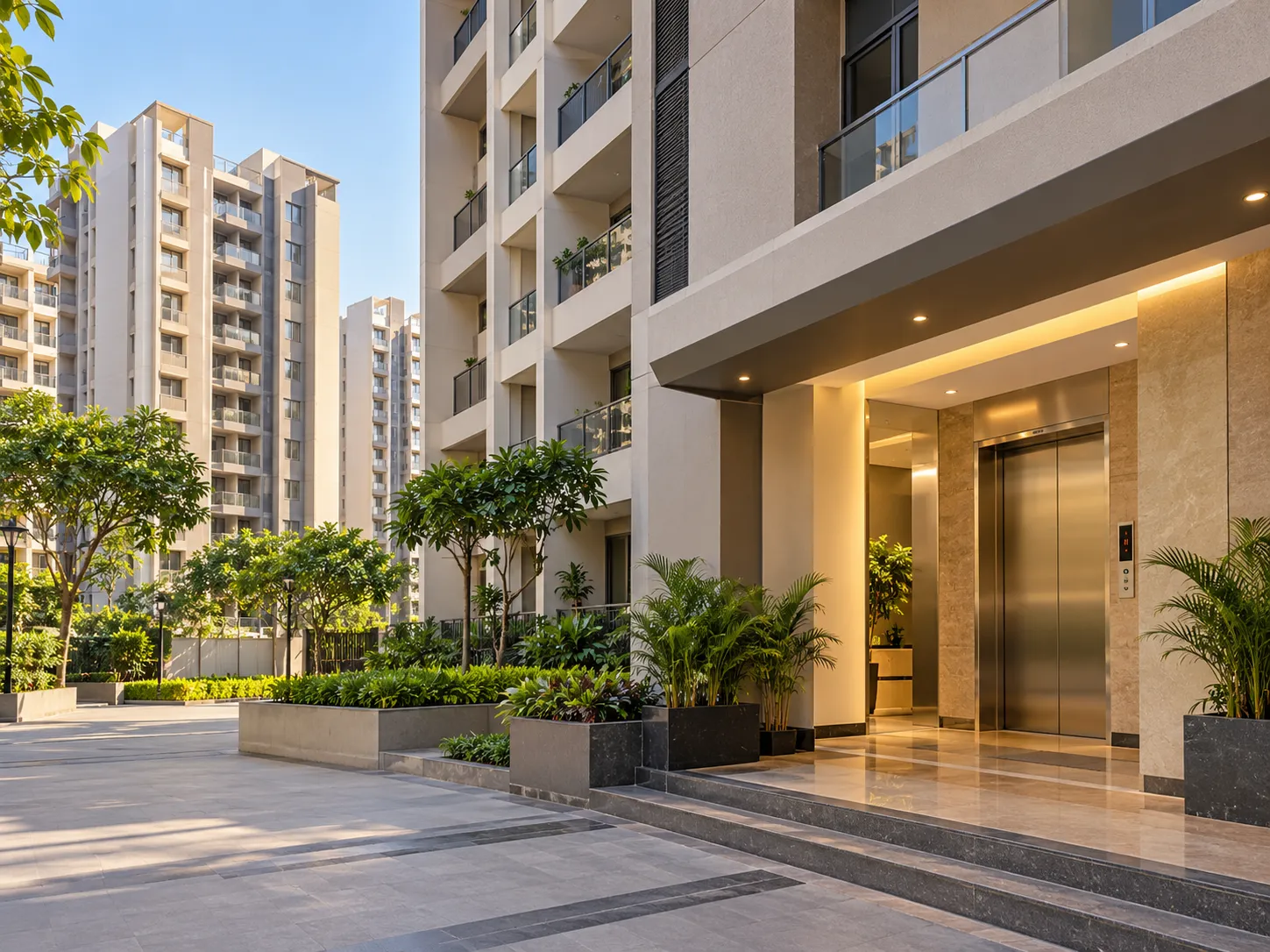
Residential apartment building

Illustrative photography

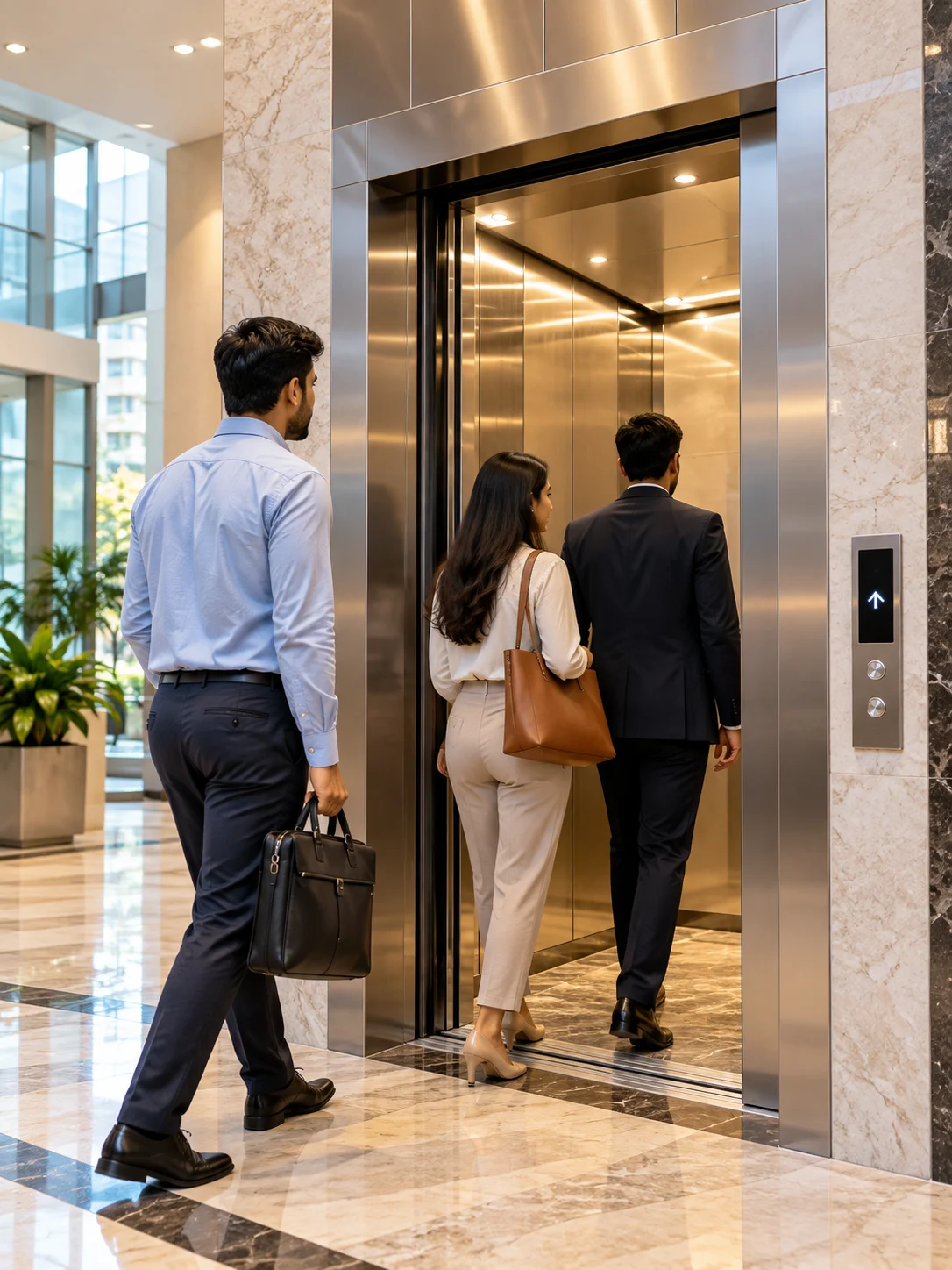
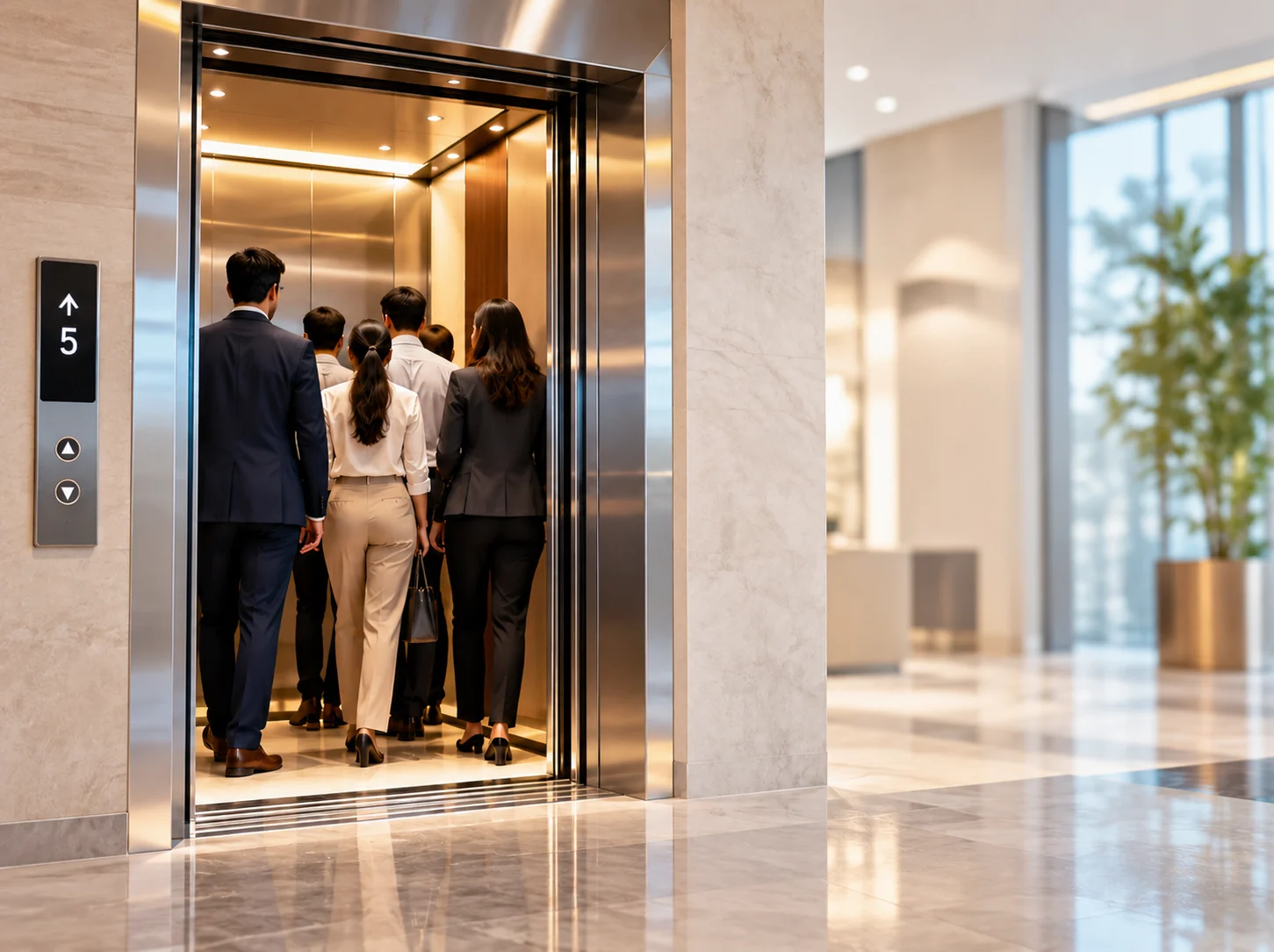
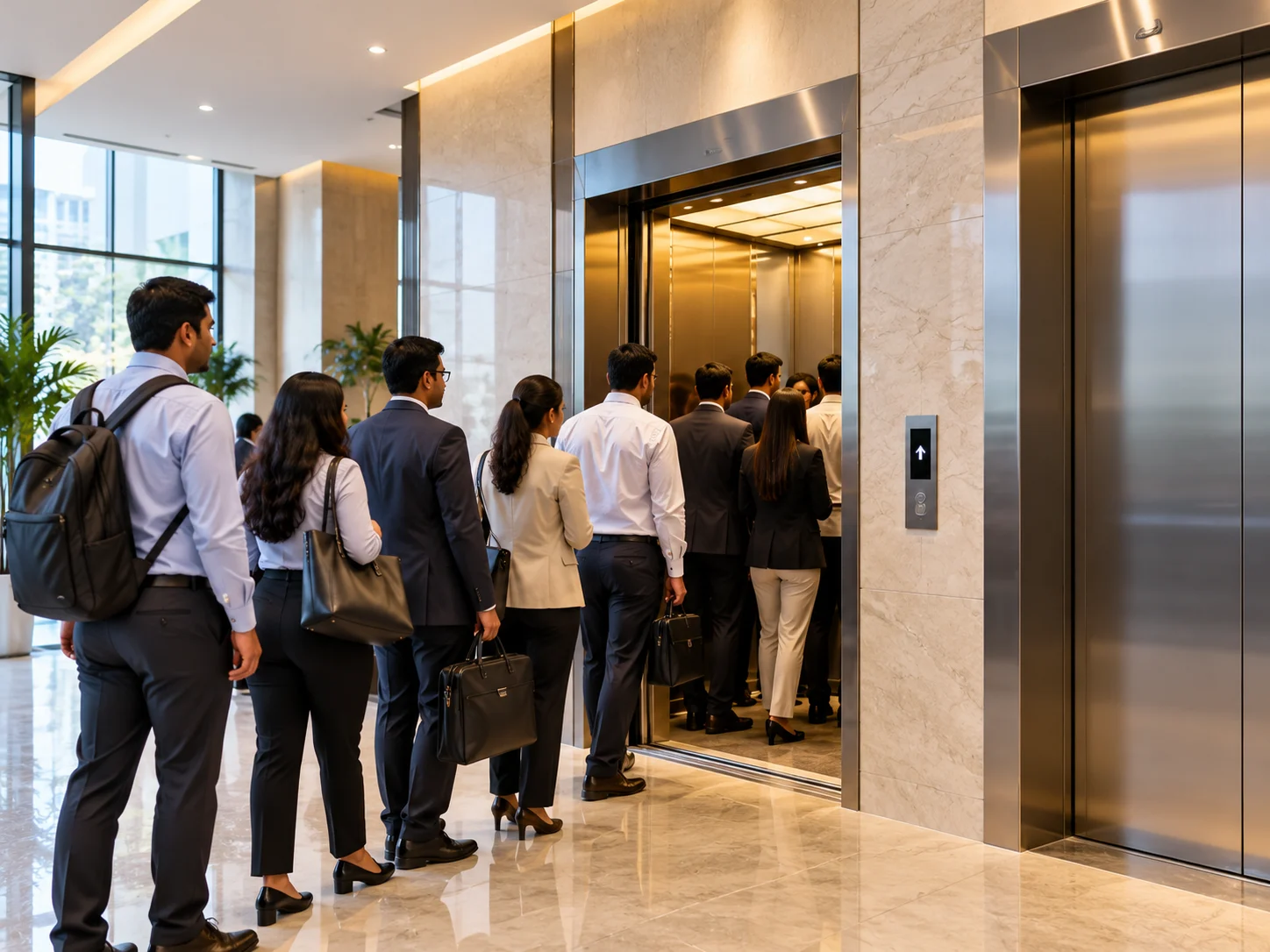
Passengers boarding a passenger elevator
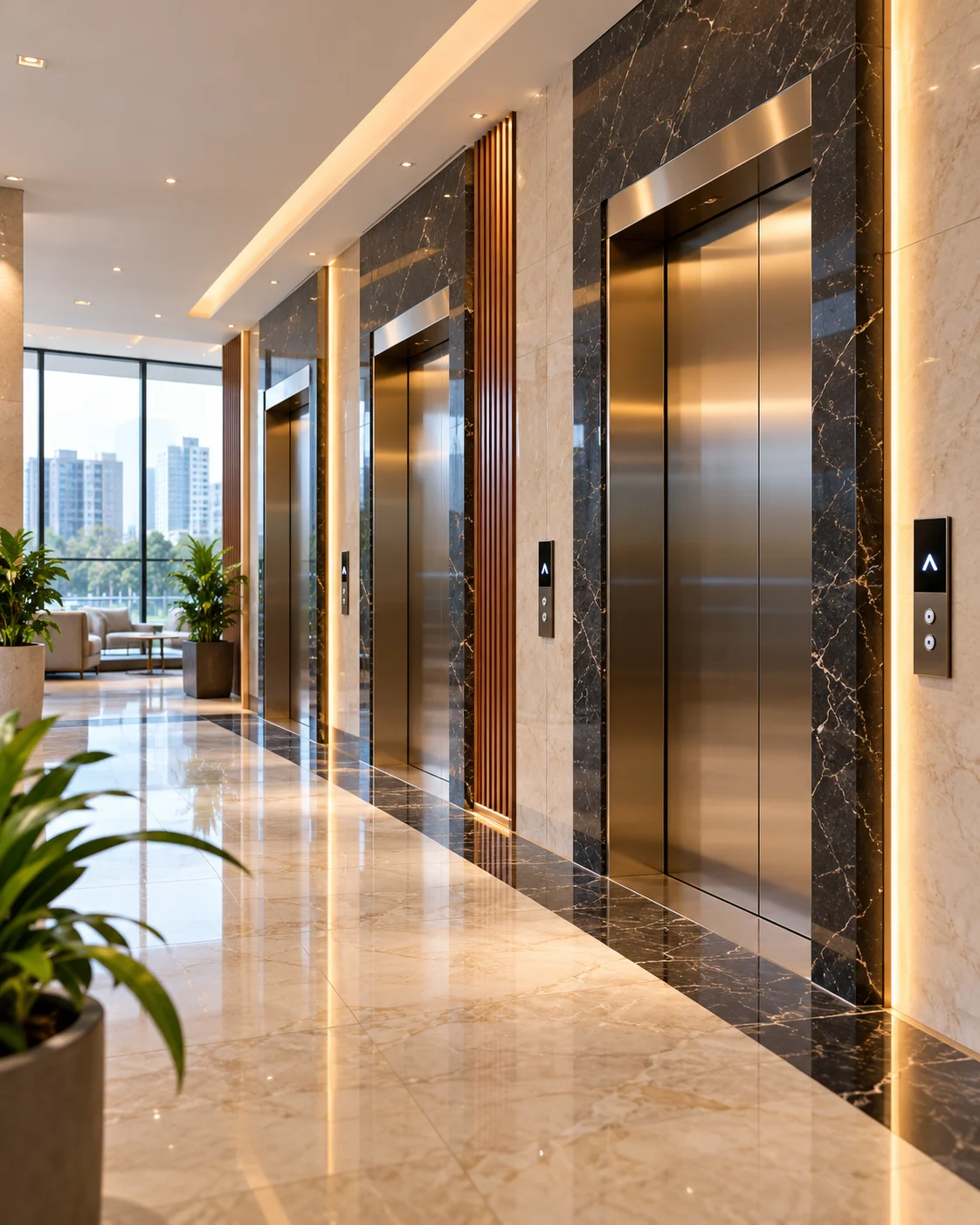
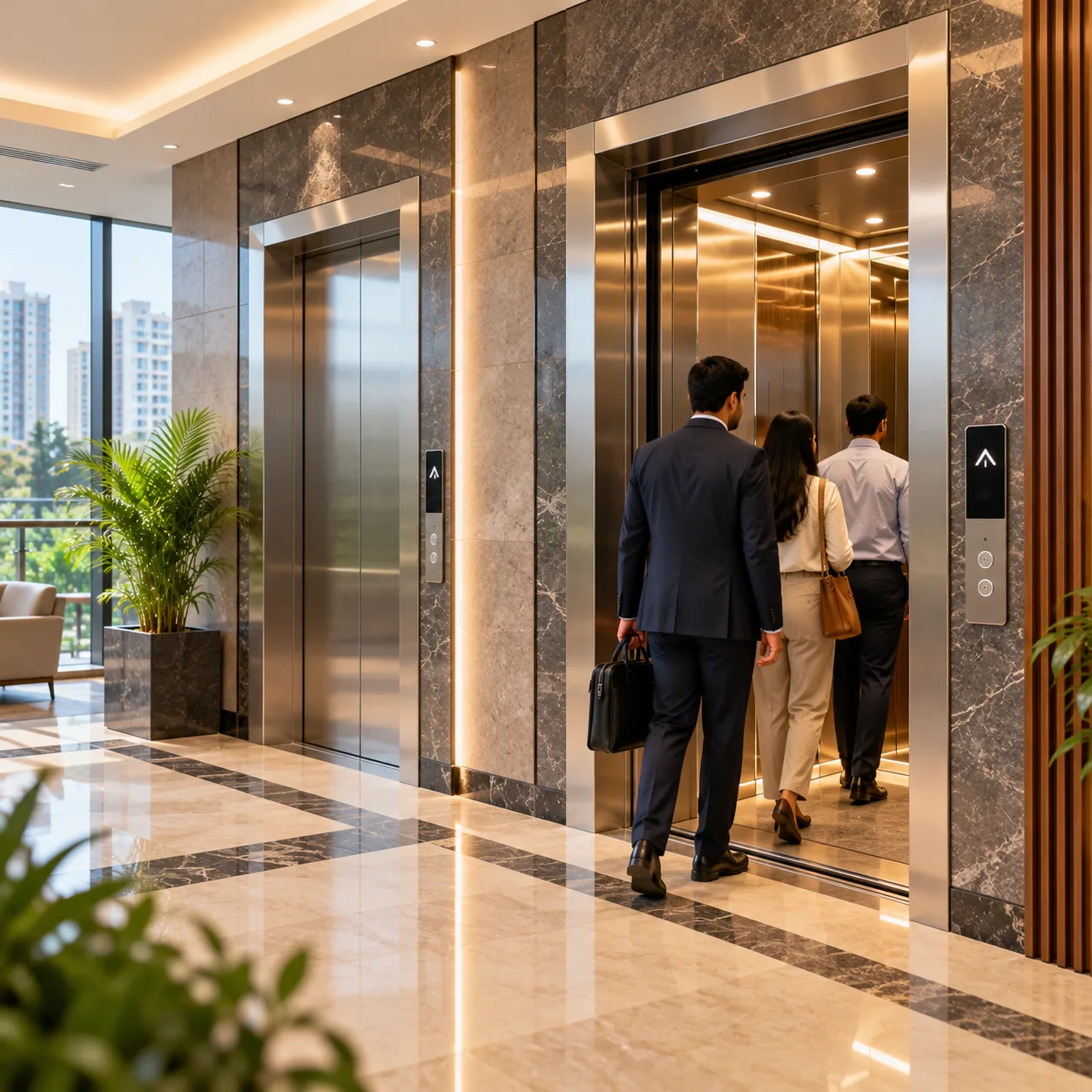
Elevator lobby with passengers entering the car

Typical layout

Traction · MRL or machine room

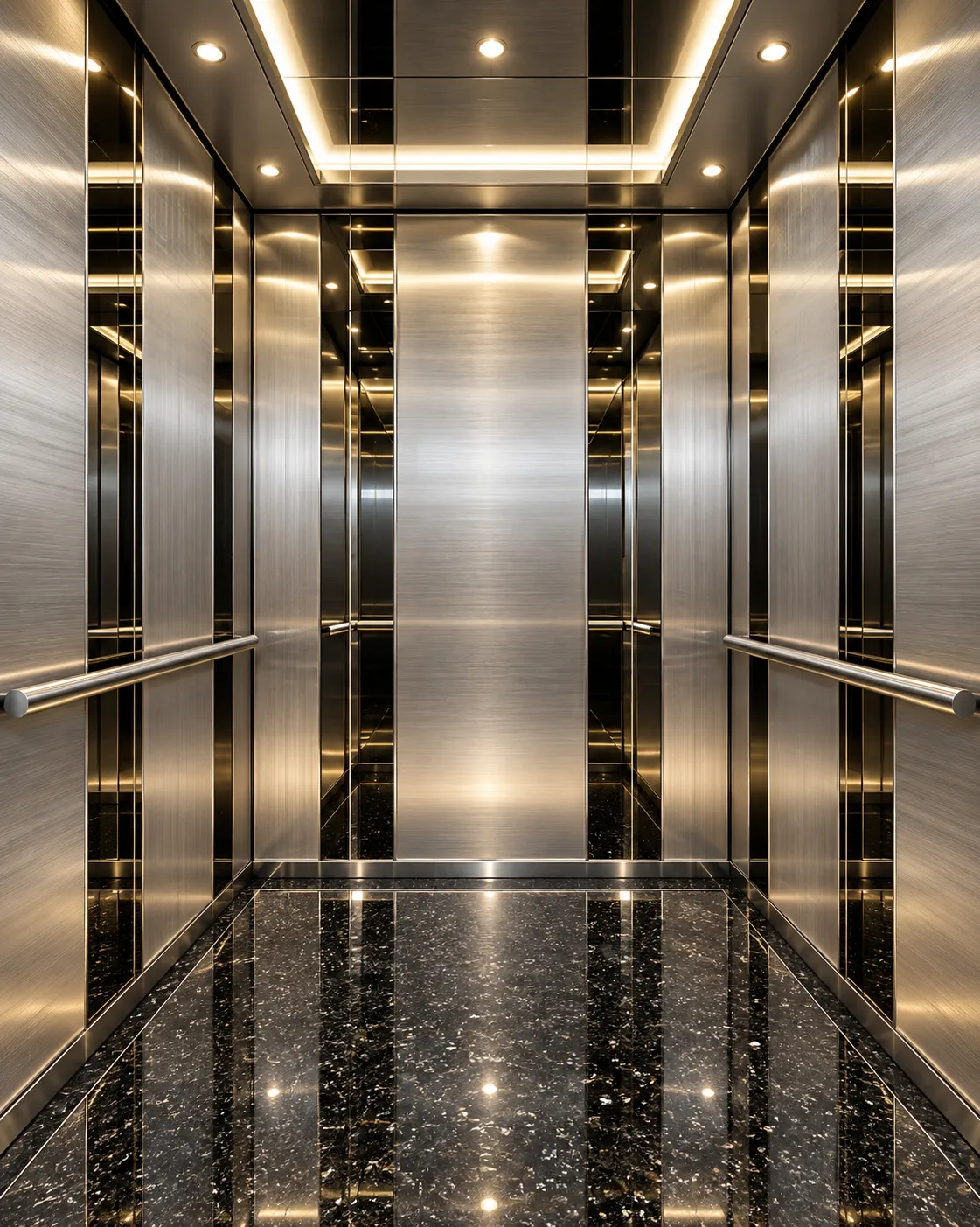
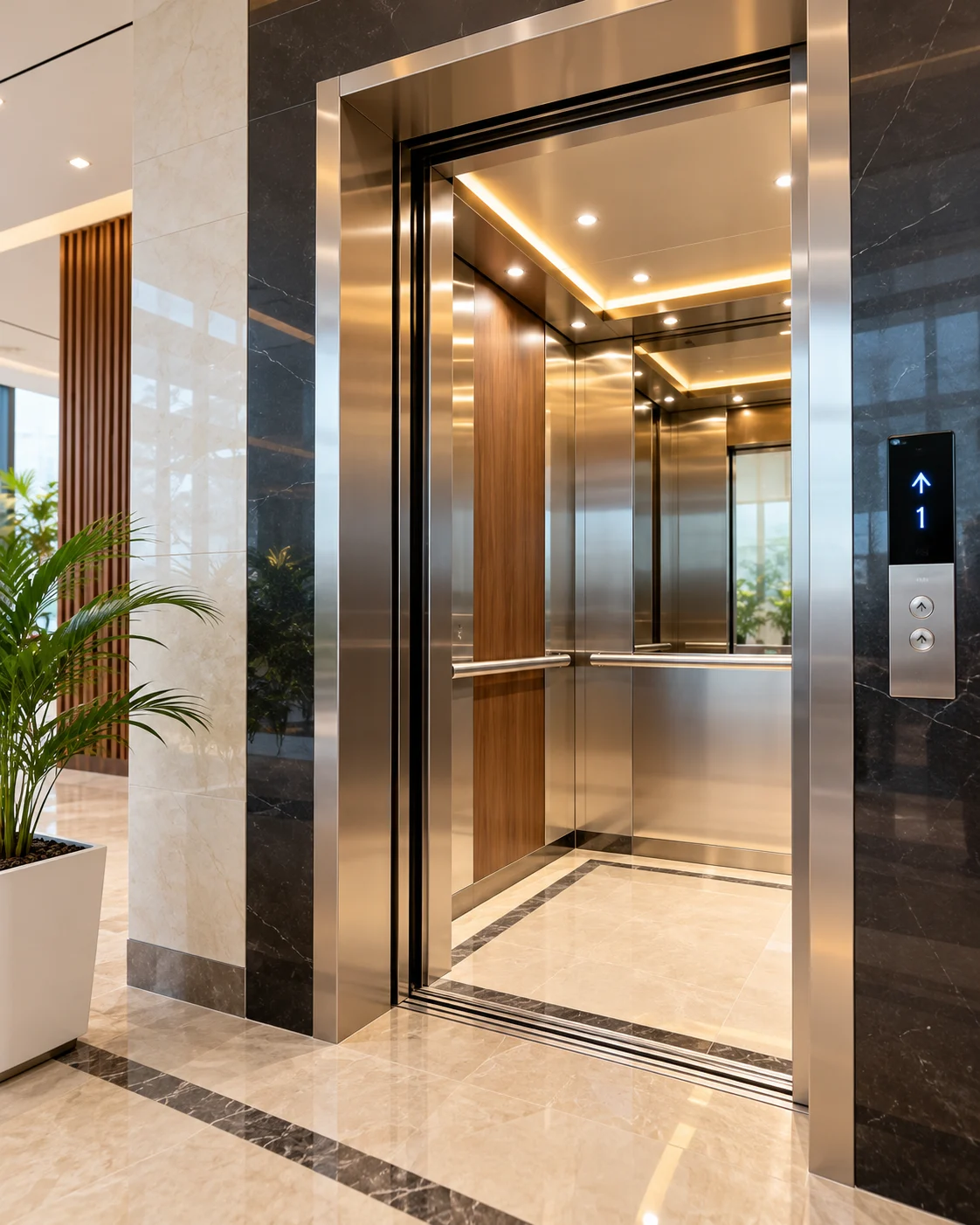
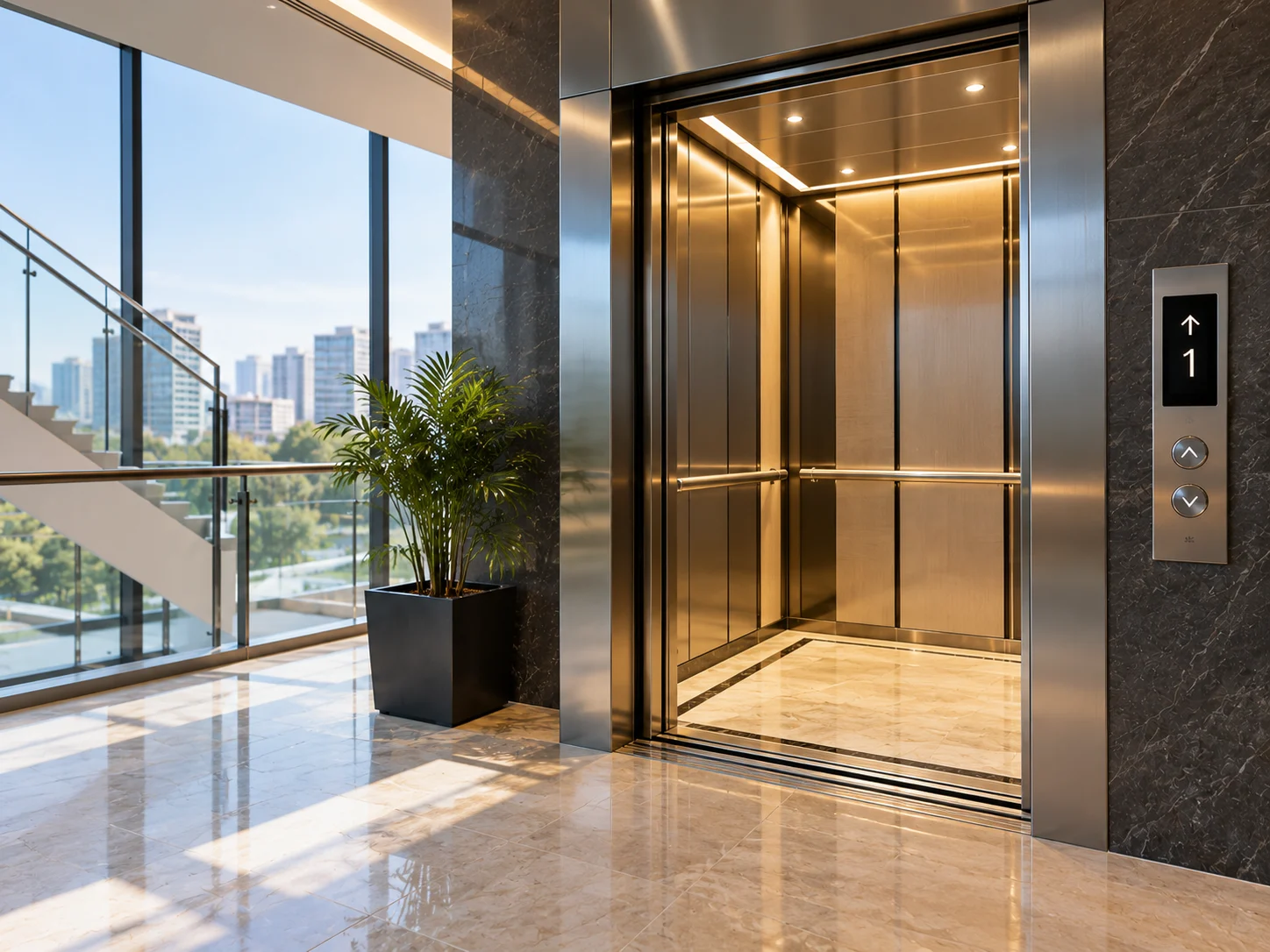
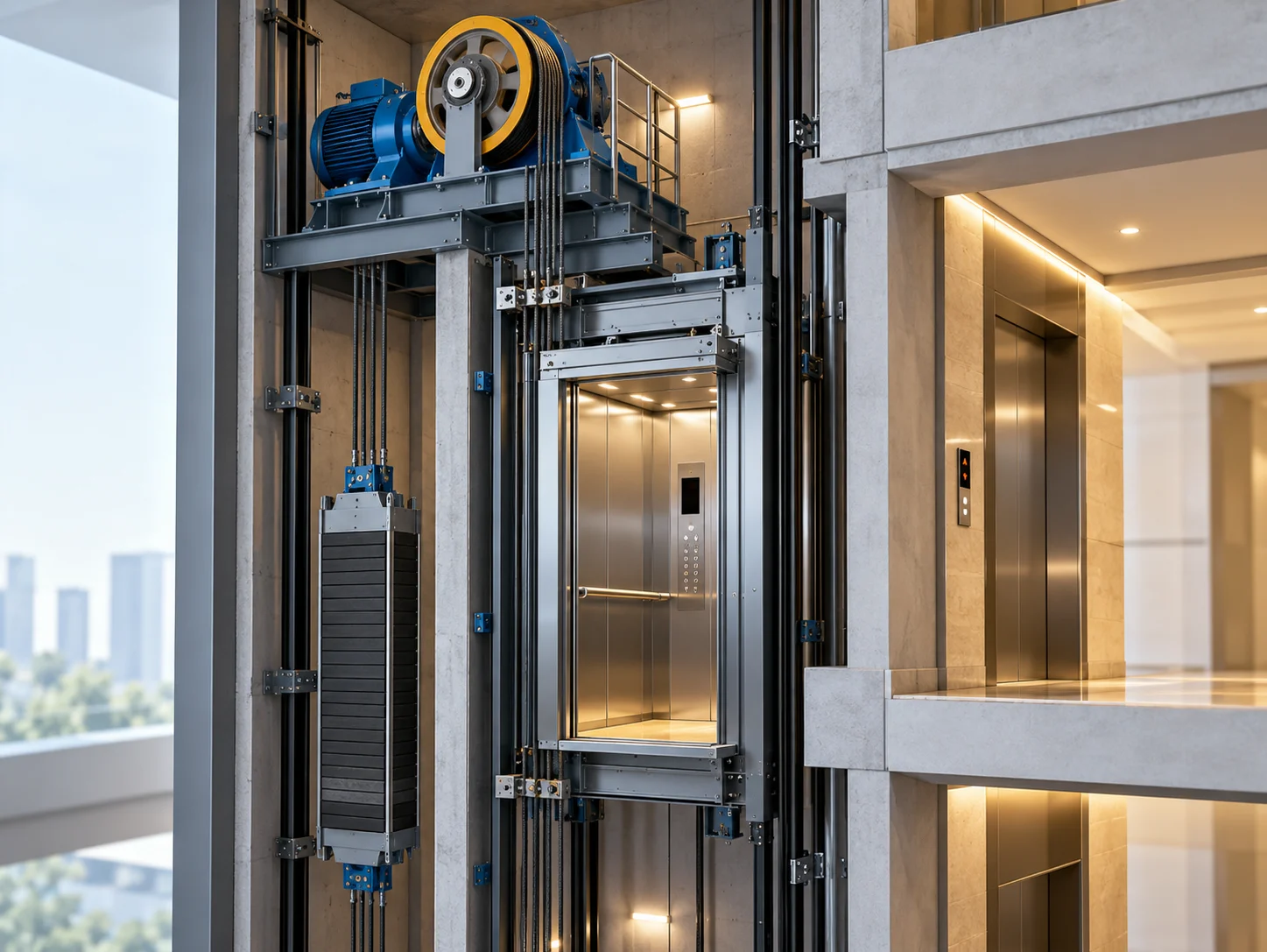
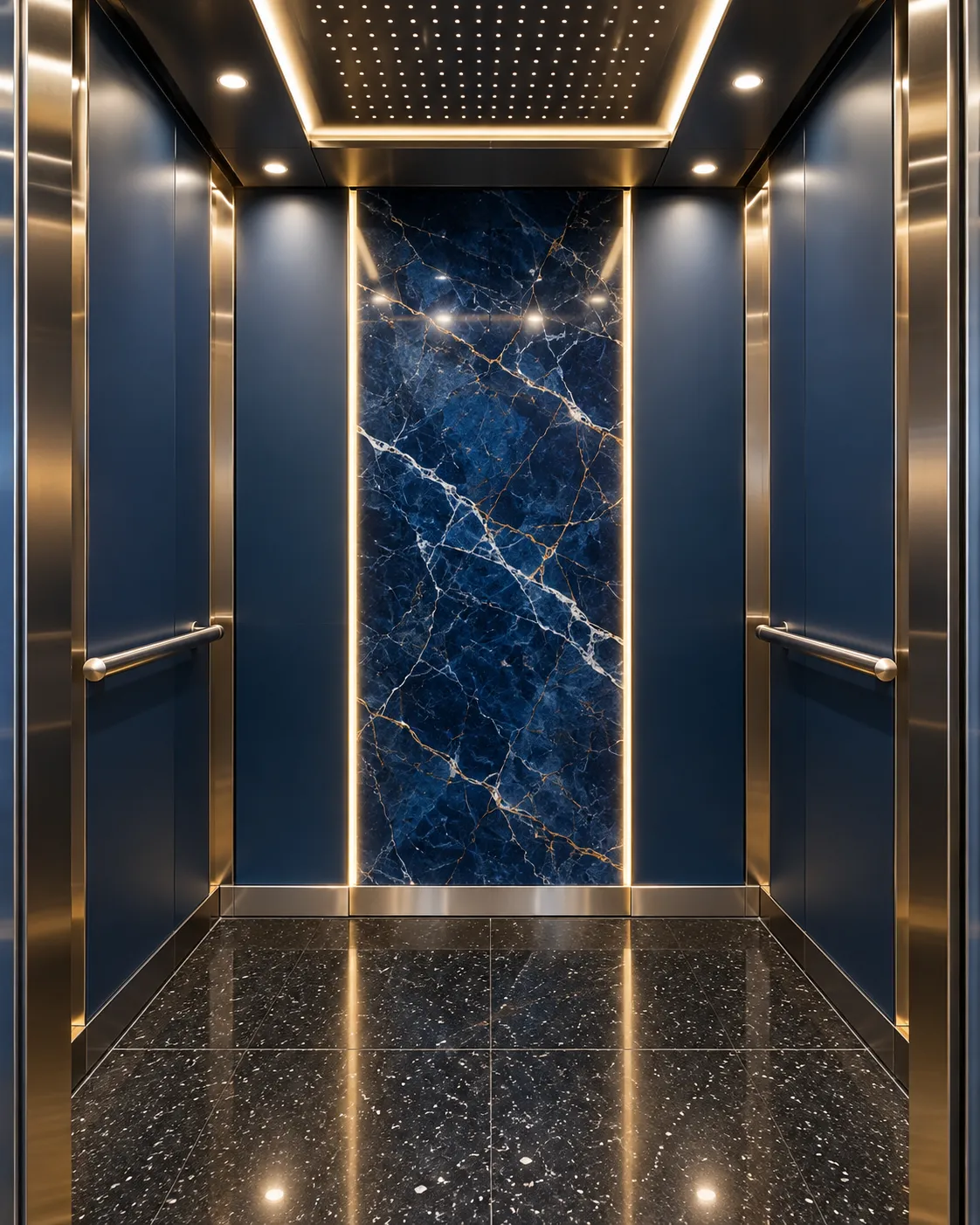
Passenger elevator cabin with warm lighting and polished finishes
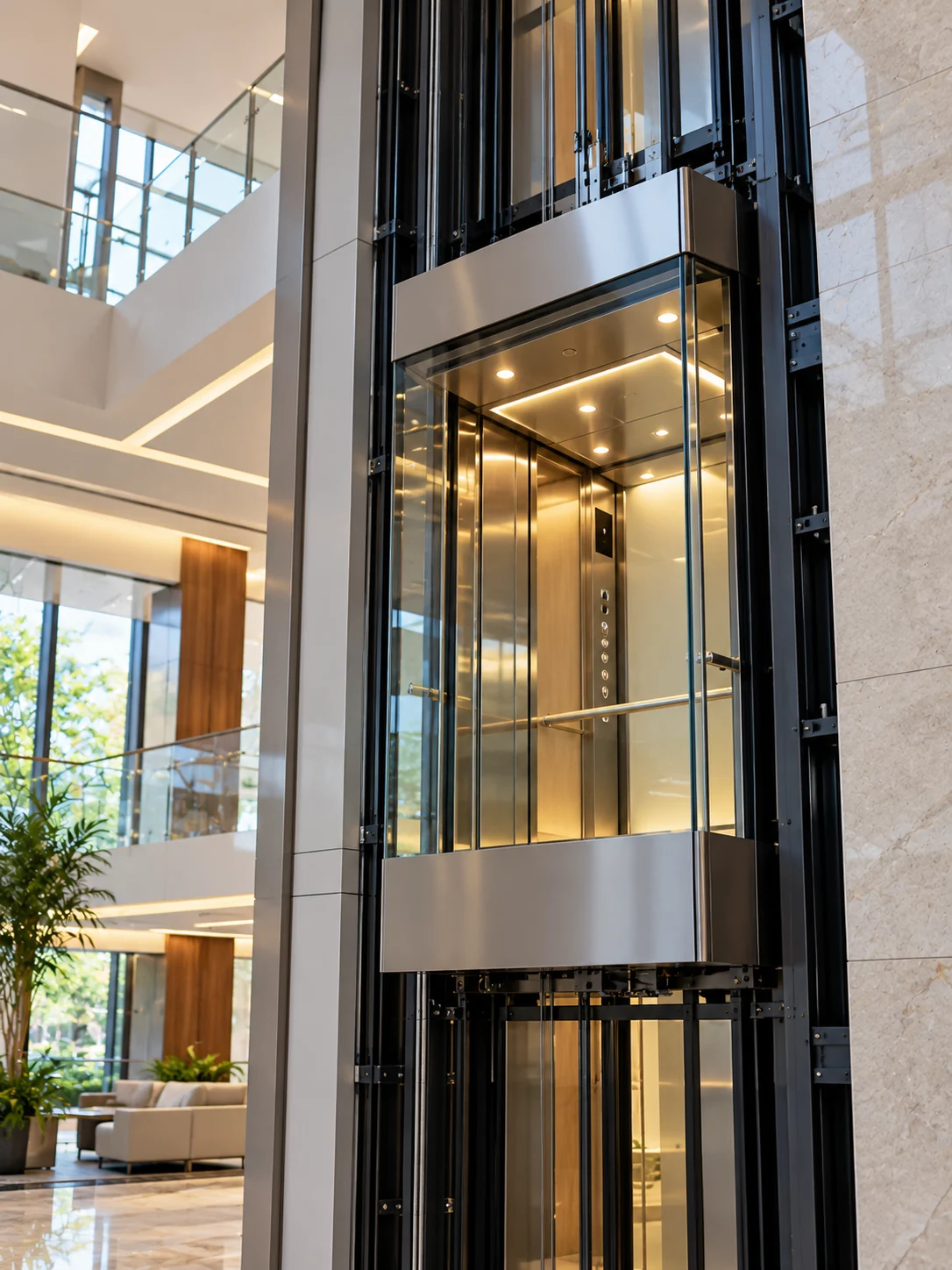
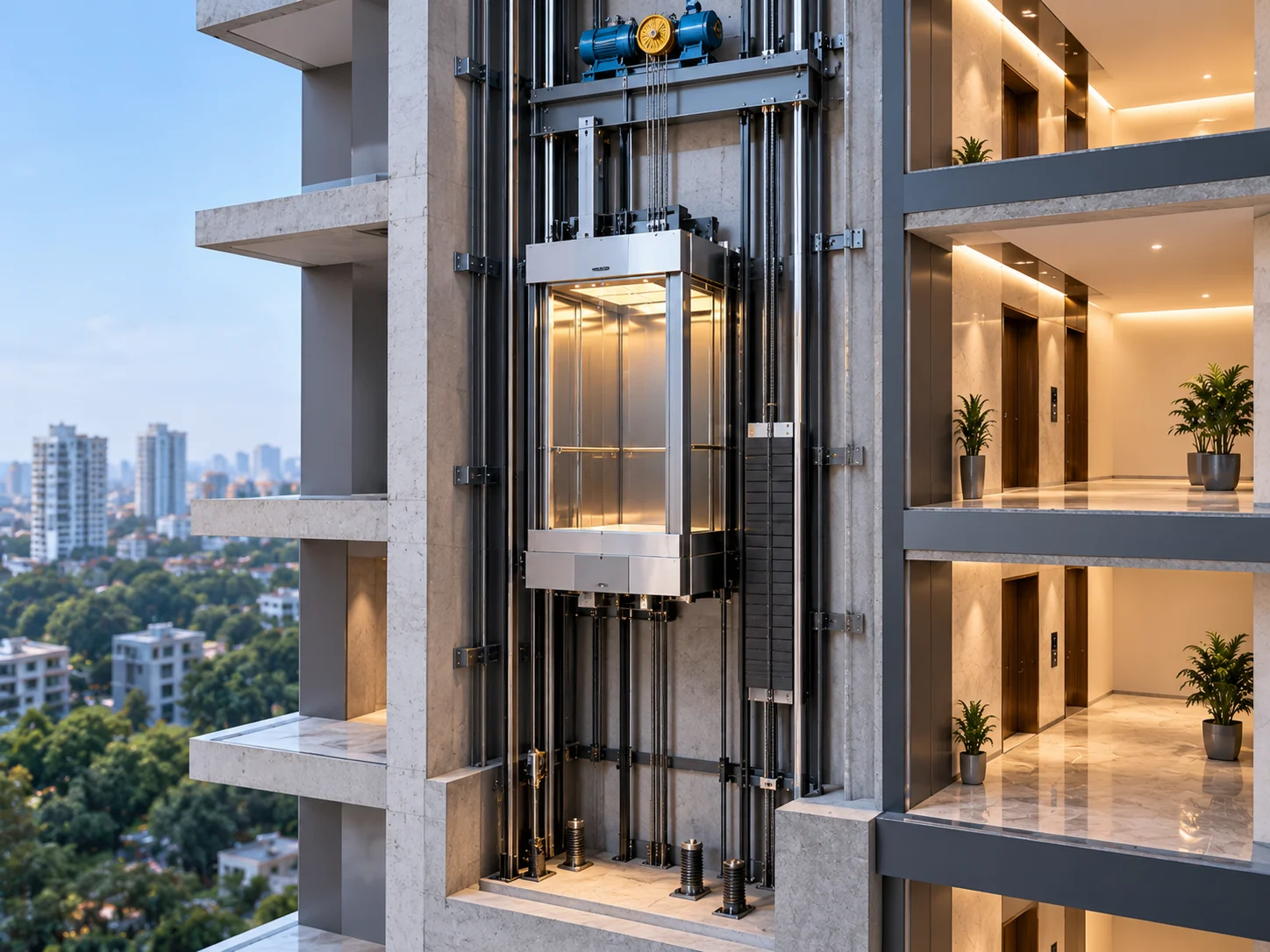
Glass passenger lift ascending through an open atrium
Elevator landing with city skyline view

Quick answer

What is a passenger elevator?

A passenger elevator carries people between the floors of residential and commercial buildings. Choosing one means matching capacity and speed to how many people use the building at peak times, fitting the shaft, pit and overhead space, and planning maintenance for its working life. GEVS supplies and maintains passenger lifts for buildings across Pune.

  • Passengers entering elevator demonstrating capacity

    Capacity & speed

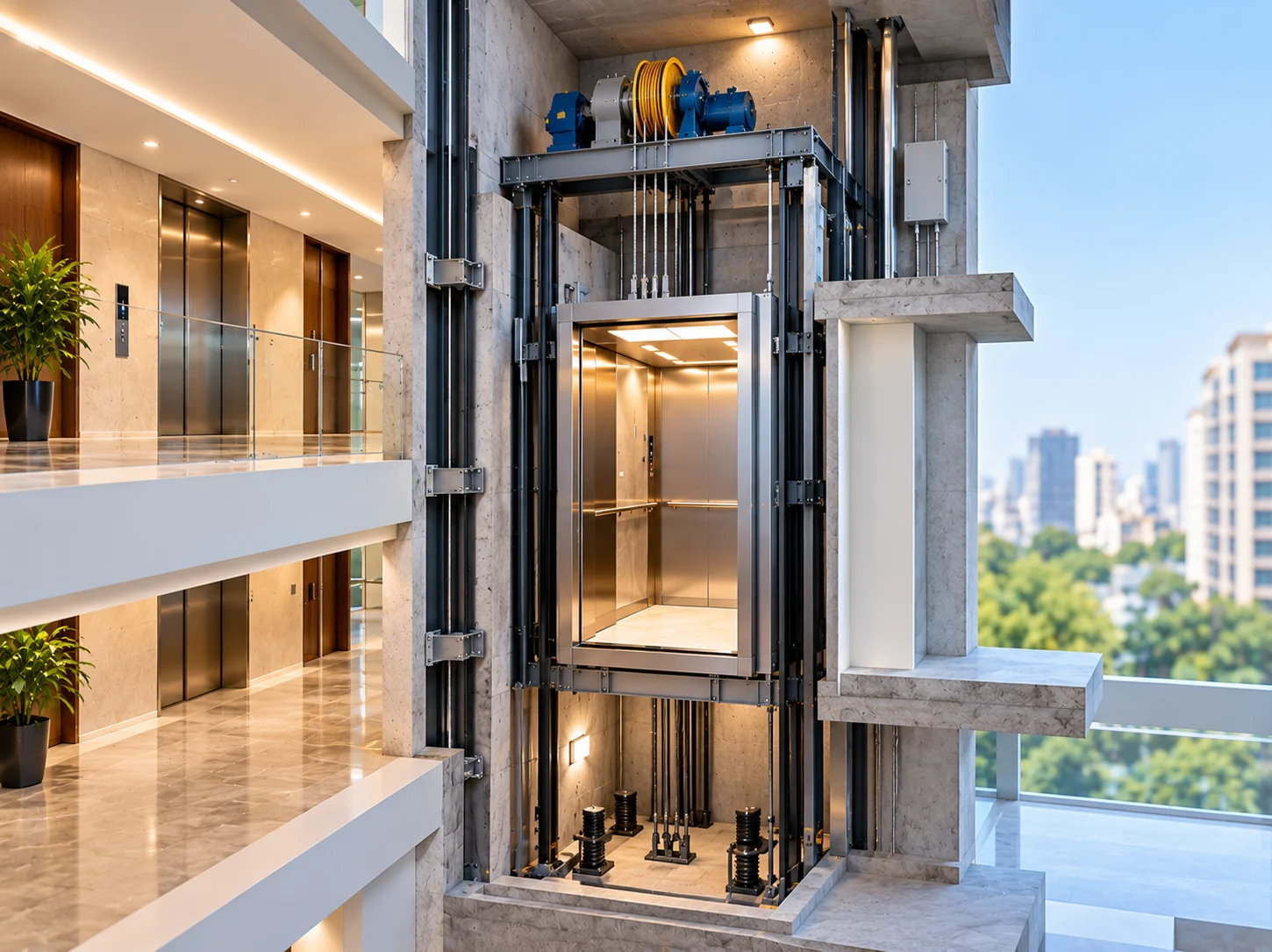
  • Cutaway view of lift shaft, pit and overhead mechanism

    Shaft, pit, overhead

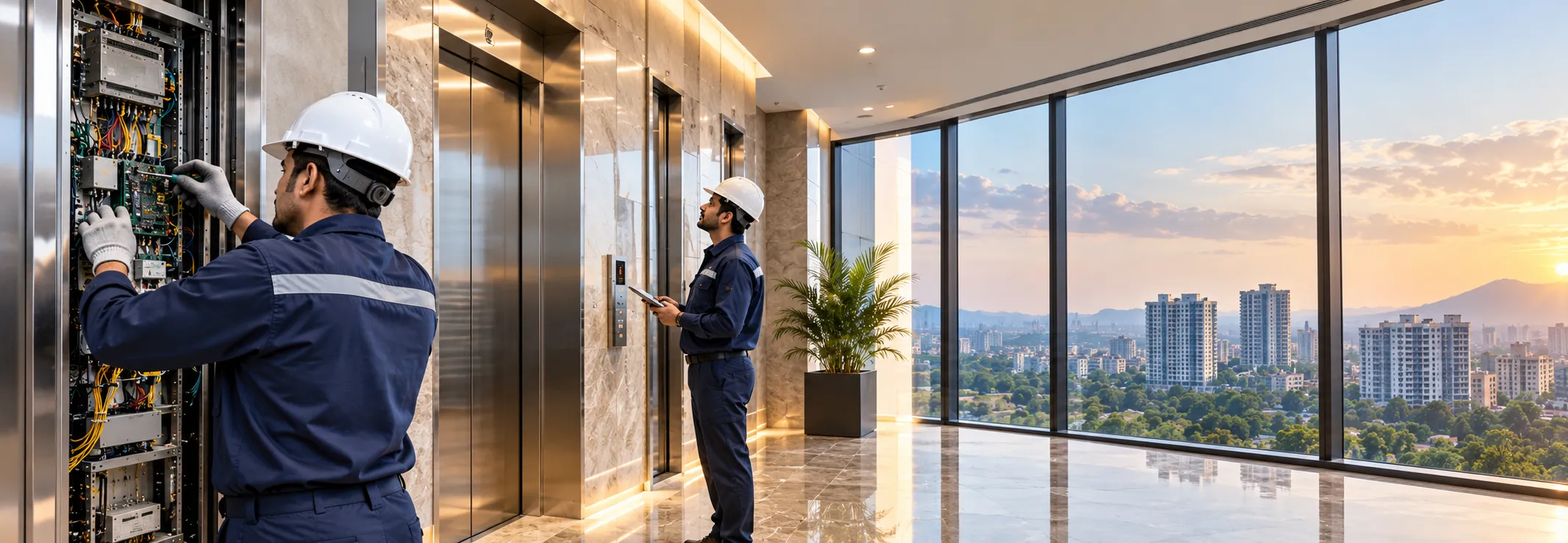
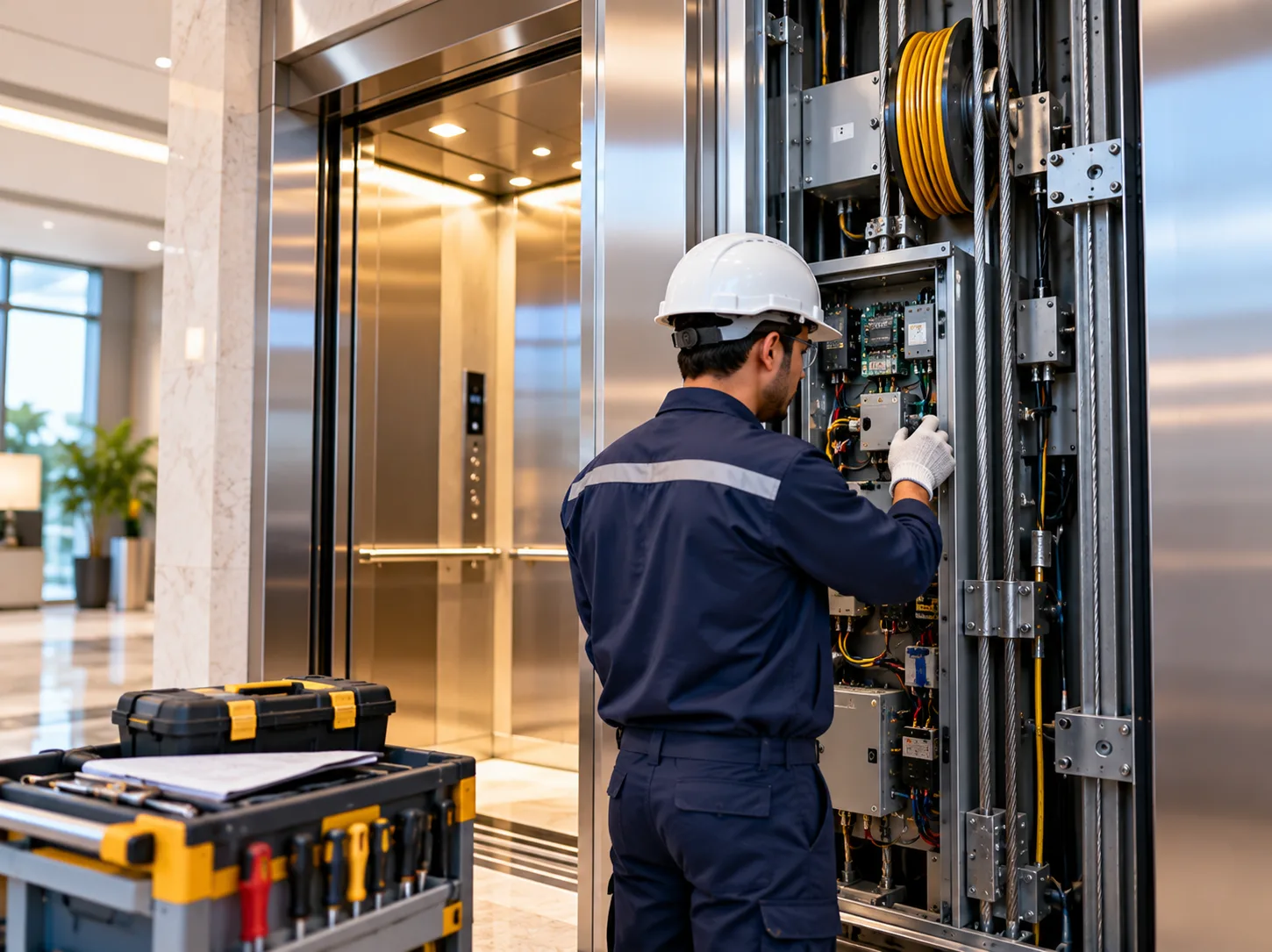
  • Technician inspecting elevator control panel

    Maintenance

Who it's for

Who should choose a passenger elevator?

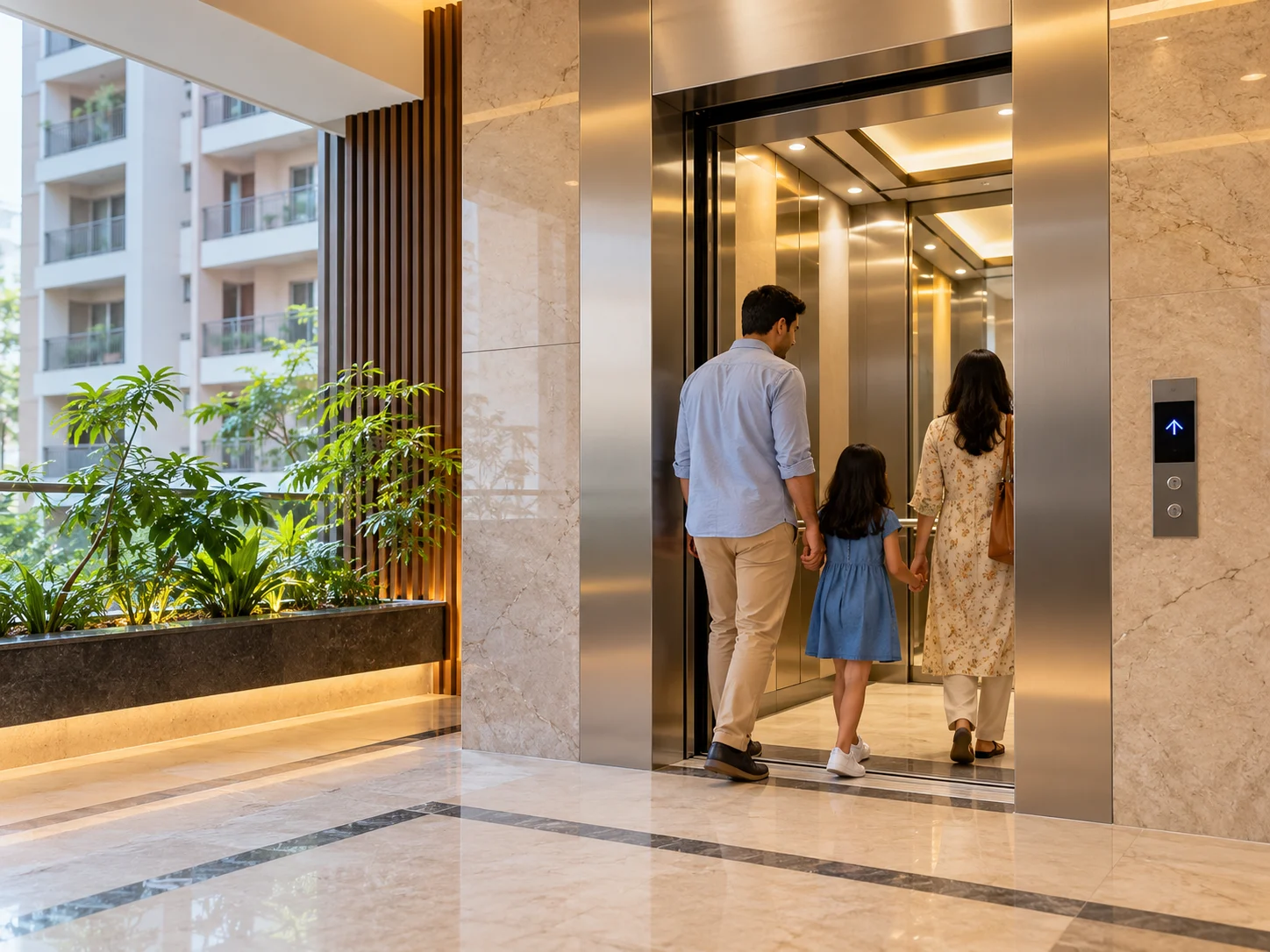
  • Family entering residential elevator in a housing society01

    Housing societies and apartment towers

    The everyday way residents and visitors move

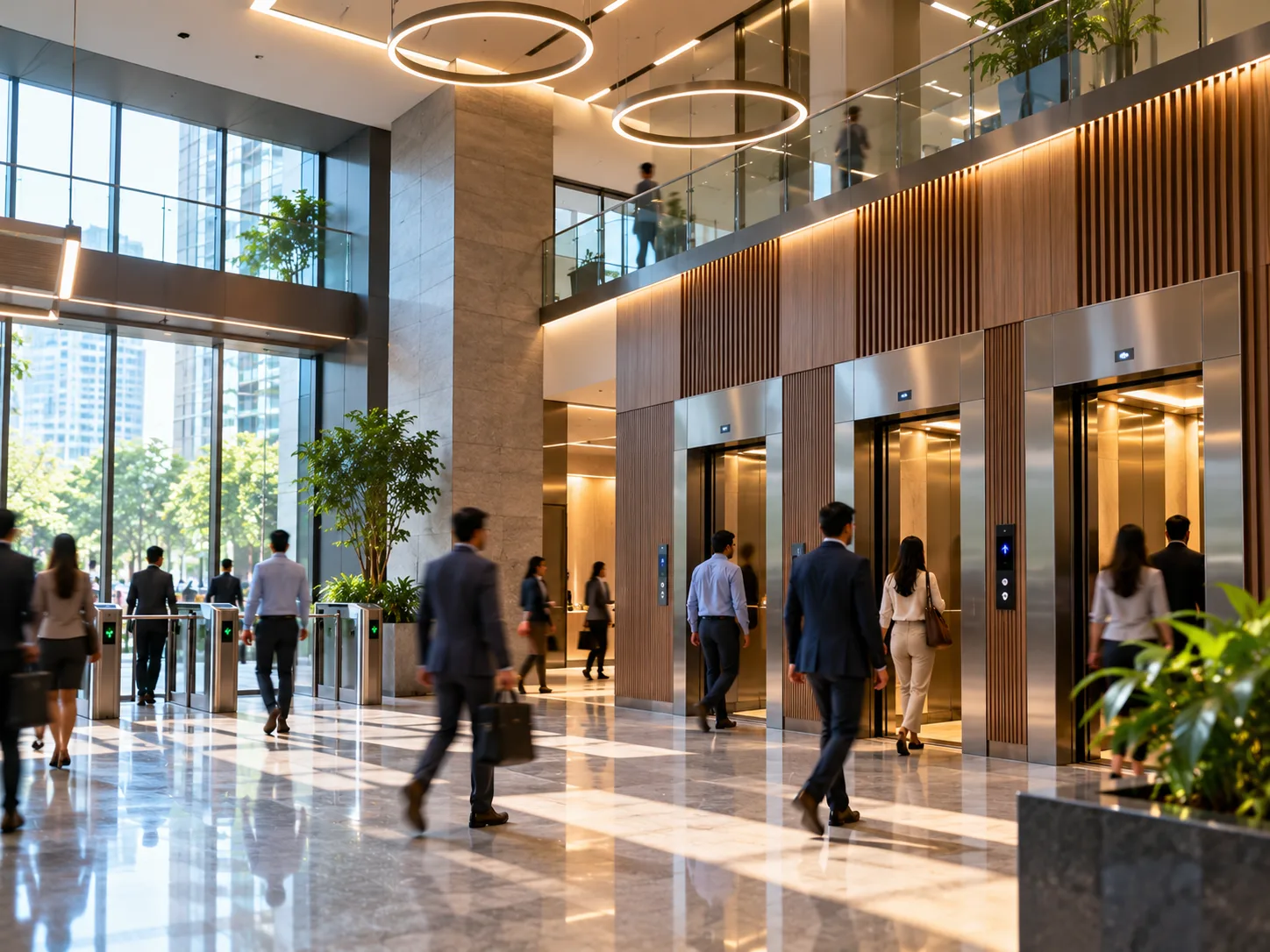
  • Corporate professionals using elevators in an office building02

    Office and mixed-use buildings

    Handles peak arrival and departure traffic

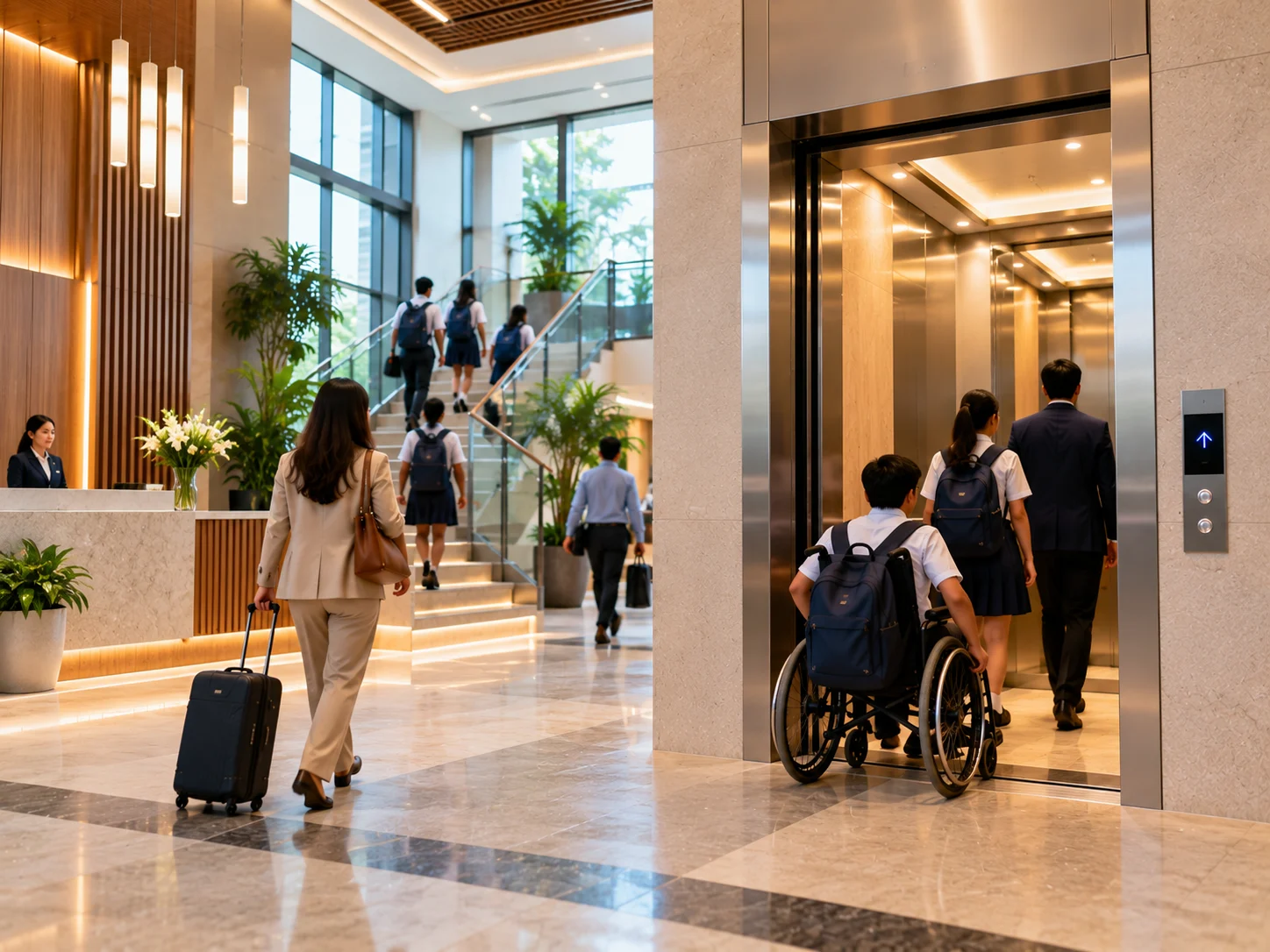
  • Step-free elevator access for students, wheelchair users and guests03

    Hotels, schools and institutions

    Step-free access for guests, staff and students

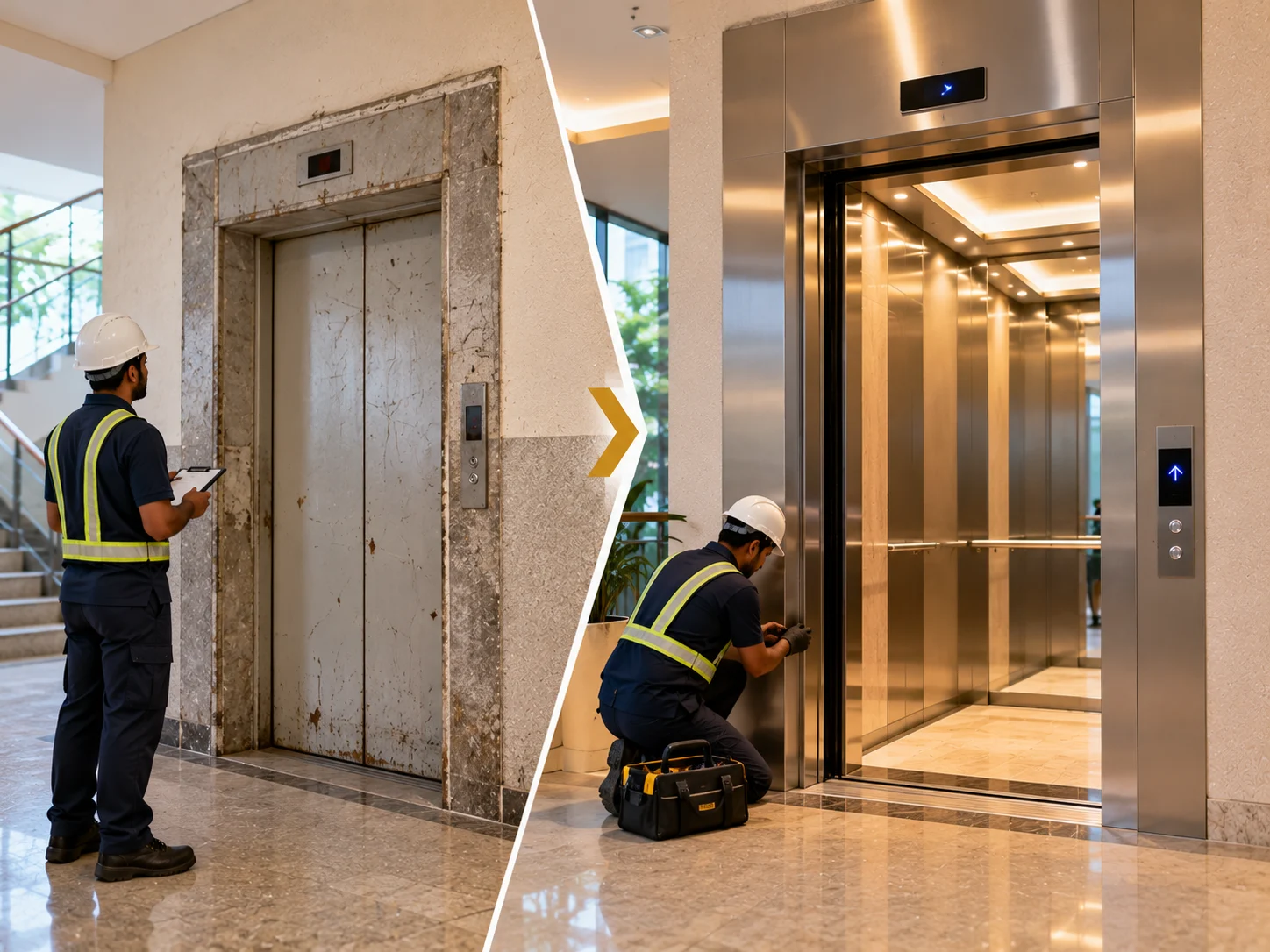
  • Before and after comparison of old lift replacement04

    Buildings replacing an old lift

    A new lift can often reuse the existing shaft

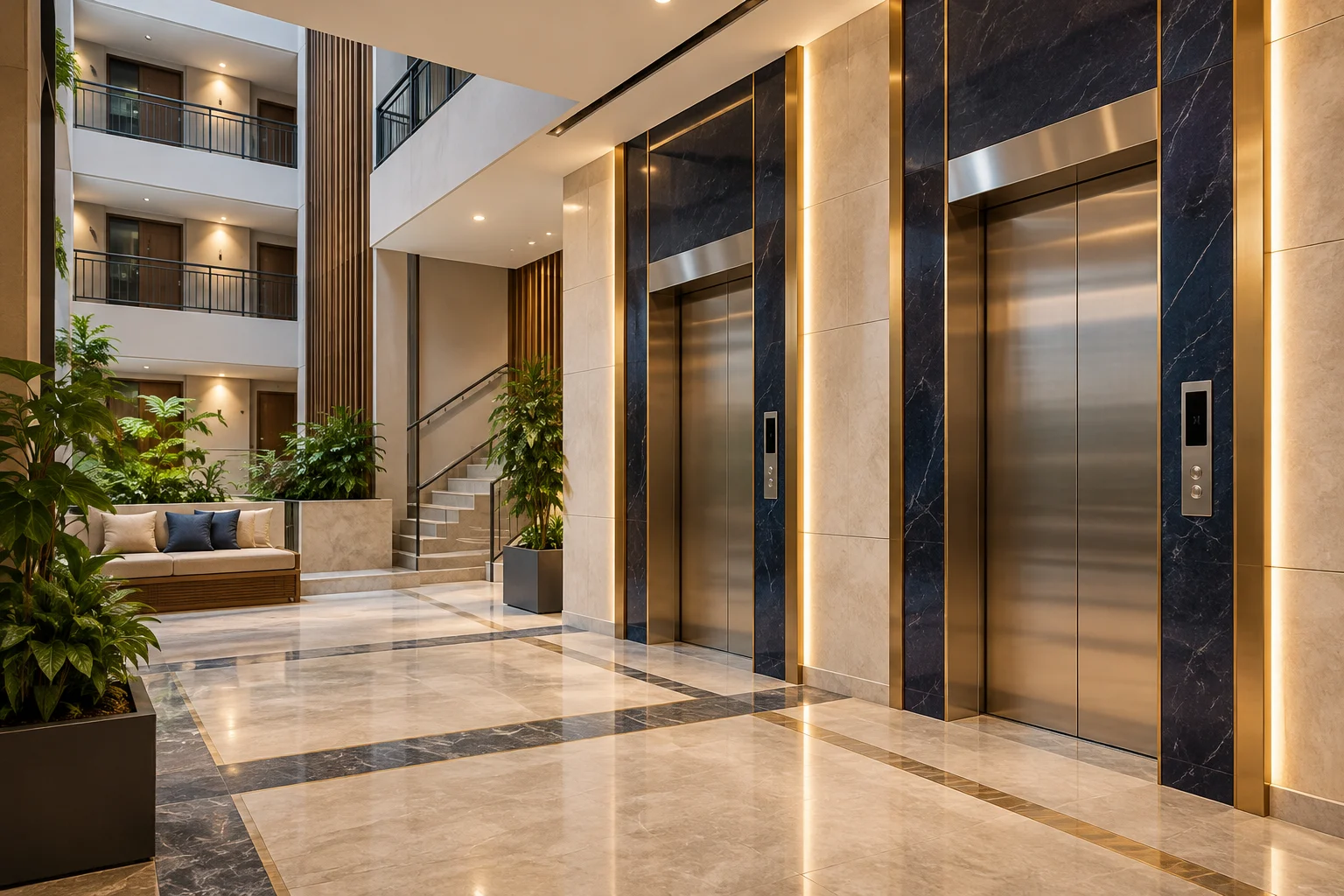
Passenger lift landing in a contemporary atrium

Choose it when…

  • People, rather than goods or stretchers, are the main load
  • The building has three or more floors used daily by many people
  • You can plan the shaft now, or an existing shaft can be reused

Consider an alternative when

Selection

Sized to the building's traffic, not a catalogue.

Four inputs decide a passenger lift. We gather them at the survey, then recommend capacity, speed and the number of lifts in writing.

  1. Multiple building floors served by an elevator01

    Floors served

    Travel height and number of stops set the drive and speed.

  2. Passengers queued for elevator during peak hours02

    People at peak

    Flats or offices per floor decide capacity — or a second lift.

  3. Two elevator cars operating side-by-side to minimize waiting time03

    Waiting time

    Busy towers often do better with two cars than one larger one.

  4. Shaft space, structural clearances, pit and overhead04

    Shaft space

    Width, depth, pit and overhead bound what can fit.

How it works

How a passenger elevator works

Most passenger lifts are traction lifts. Steel ropes or belts connect the car to a counterweight over a grooved wheel (the sheave) turned by the machine. Because the counterweight balances most of the car's weight, the motor only has to move the difference.

The controller registers calls from the landing and car panels, decides the direction of travel and slows the car to stop level with each floor. Safety circuits, door interlocks and brakes stop the lift if anything is out of place.

Traction motor, ropes and counterweight system
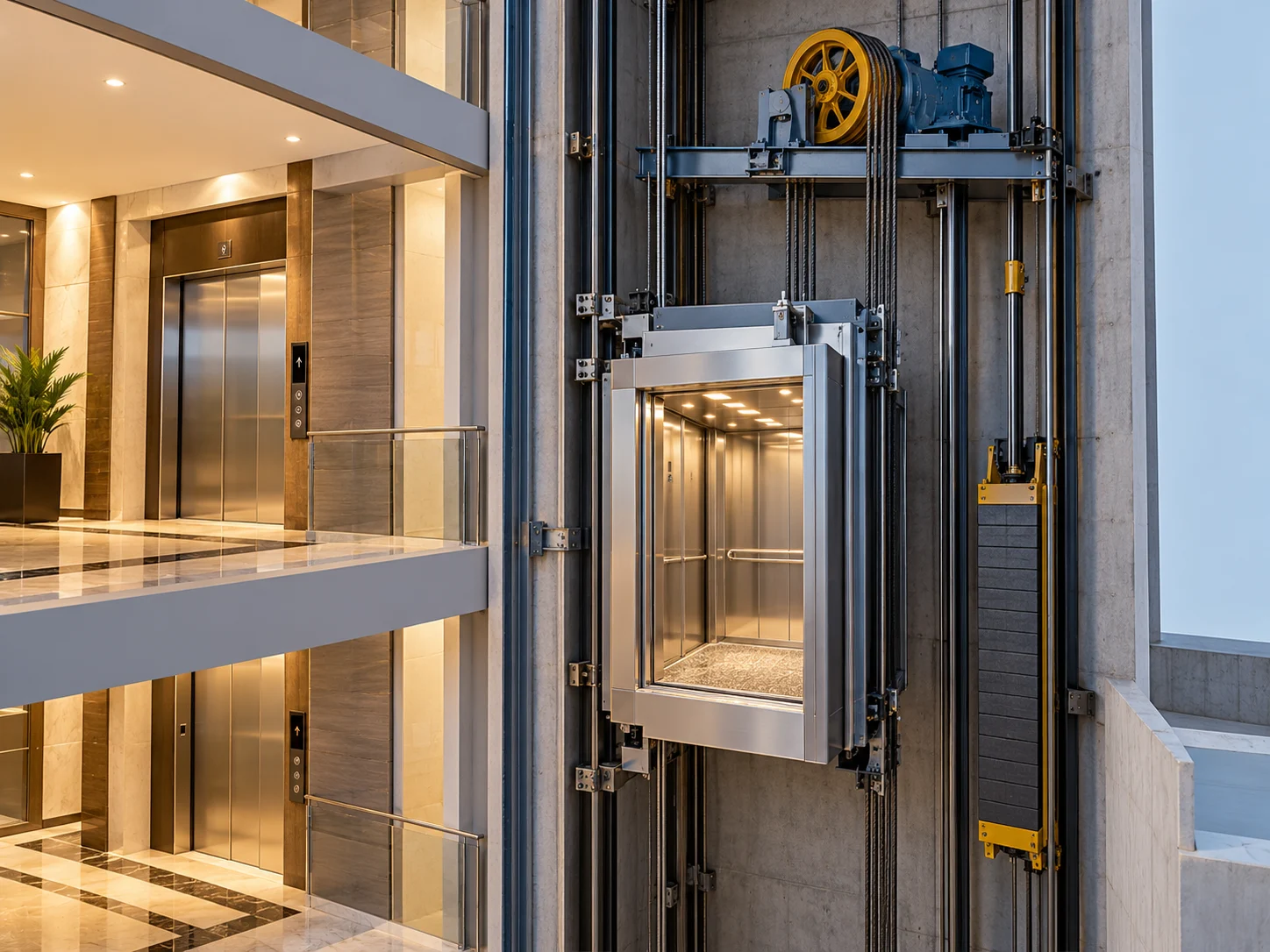
Passenger elevator shaft mechanism and car guide rails
MRL vs traction elevators compared →
Traction lift with machine room, in sectionMACHINE ROOM01020304Machine & sheaveControllerGuide railsCarPitCounterweightOVERHEAD
Traction layout: ropes run over a motor-driven sheave, lifting the car on one side while a counterweight descends on the other. The machine can sit in a room above the shaft or inside it (MRL).

Features

Features and benefits

  • 01

    Automatic Rescue Device (ARD)

    What it does
    On power failure, battery power moves the car to a floor and opens the doors
    Why it matters
    Nobody stays trapped between floors during a power cut
  • 02

    Car and landing operating panels (COP / LOP)

    What it does
    Call buttons, floor position, direction and status messages
    Why it matters
    Clear, simple operation for every user, including elderly passengers
  • 03

    Door interlocking

    What it does
    The lift cannot run unless car and landing doors are safely closed
    Why it matters
    Prevents the most common lift accident — falling into an open shaft
  • 04

    Documented cabin designs

    What it does
    Wall, floor, panel, handrail, lighting and ventilation from a published catalogue
    Why it matters
    You see exactly what you are choosing before you order

Specification

Specifications

Configured per building, then written into the quotation.

Passenger Elevators specifications
ParameterValue
ApplicationResidential apartments / commercial buildings
Rated load630 kg (8 persons) or 800 kg (10 persons), subject to design
Rated speed1.0 m/s (preliminary selection)
Drive systemElectric traction, geared or gearless as selected
Machine arrangementMachine-room-less (MRL) or machine-room type
Control systemMicroprocessor-based automatic control
OperationCollective / selective collective, as designed
Stops and entrancesAs per building floor plan
Door operationAutomatic centre-opening or telescopic sliding doors
Cabin finishStainless steel, powder-coated steel, or approved decorative finishes

Civil & electrical

Space and power requirements

Passenger elevator shaft, pit and overhead space requirements

Shaft, pit and overhead

The shaft width and depth, pit depth and overhead height are set by the car size, door type and drive. In a new building these are designed in; in an existing building we check whether the current shaft fits the lift you need.

Read: shaft, pit and overhead requirements
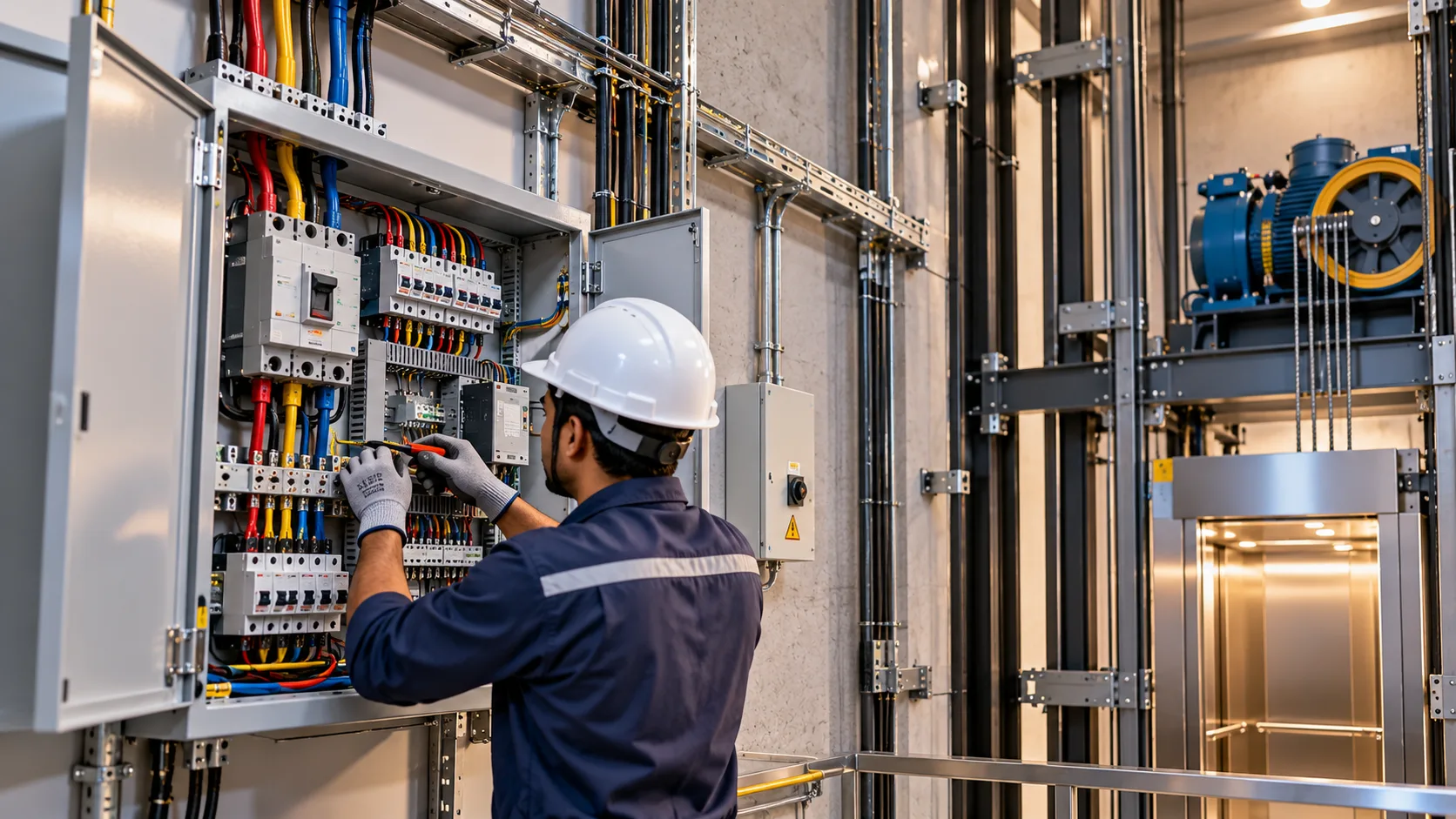
Three-phase electrical panel and motor power setup

Single-phase or three-phase power?

Passenger lifts in multi-storey buildings usually run on a three-phase supply with a dedicated feeder and earthing. We confirm the electrical requirements with your consultant or electrician during the survey.

Read: single-phase vs three-phase power

Planning a new tower or replacing an old lift? Start with a survey.

Request Technical Consultation

Honest trade-offs

Advantages and limitations

Advantages

  • Configurable for low-rise and mid-rise buildings
  • Machine room-less or machine-room layouts
  • Wide range of documented cabin interiors
  • Battery-backed rescue (ARD) during power failure

Limitations to plan for

  • Shaft, pit and overhead must match the chosen capacity — retrofits may need civil work
  • Busy buildings may need two lifts rather than one larger car
  • Needs regular preventive maintenance to stay safe and reliable

Process

What installation involves

  1. 1Traffic and site survey to size the lift
  2. 2Lift drawing shared with the builder or architect
  3. 3Shaft, pit and power prepared by the building
  4. 4Installation of rails, machine, car, doors and controller
  5. 5Testing, commissioning and handover
More on elevator installation

What affects the cost of a passenger elevator?

Factors that affect cost
FactorEffect on cost
Number of stops and travel heightMore floors means longer rails, more landing doors and more wiring
Load and cabin sizeA larger car needs a bigger machine, stronger structure and wider shaft
Drive and machine locationMRL, machine-room traction and other drives differ in equipment and civil cost
Door typeAutomatic doors cost more than manual doors; wider openings add cost
Cabin finishStainless steel, glass, wood and gold finishes are priced differently
Civil and electrical workShaft construction, pit, overhead and the power connection are often separate costs

We don't publish generic prices: a written quotation follows the site survey. See elevator cost factors.

Safety

Safety features

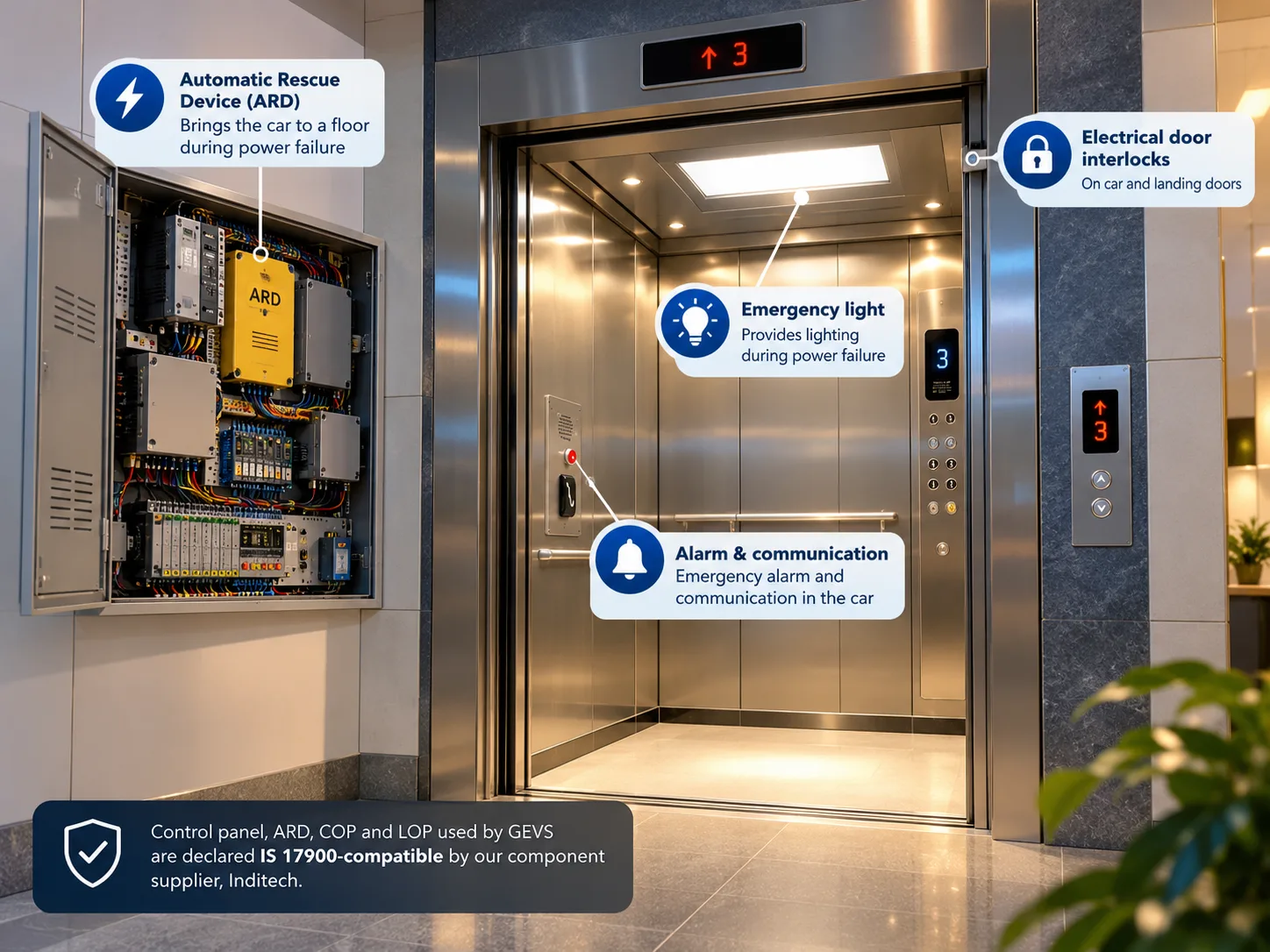
  • Automatic Rescue Device (ARD) to bring the car to a floor during power failure
  • Electrical door interlocks on car and landing doors
  • Emergency light, alarm and communication in the car

The control panel, ARD, COP and LOP used by GEVS are declared IS 17900-compatible by our component supplier, Inditech.

How our safety and control systems work
Safety features including ARD, door interlocks, emergency light and alarm

Maintenance

A society or office lift makes hundreds of trips a day, so scheduled maintenance is essential. An AMC covers preventive visits, safety checks and breakdown attendance, with parts handled according to the contract type.

Learn about elevator AMC plans

Documents

Downloads

FAQs

Frequently asked questions

How many passenger lifts does a residential building need?

It depends on the number of floors, flats per floor and how many people use the lift at peak times. A single tower may need one or more lifts. We assess the expected traffic during the site consultation and recommend the number and capacity of lifts in writing.

Can a passenger lift be installed in an existing building?

Often, yes, provided a shaft can be created or an existing one reused, with enough pit depth and overhead height for the chosen lift. A site survey confirms what fits. Where the old shaft is smaller than today's lifts need, the car size is chosen to suit it.

Shaft, pit and overhead requirements →
Should a society choose an MRL or machine-room lift?

Machine room-less (MRL) lifts suit most low- and mid-rise buildings because they need no room on the roof. Taller or faster installations may favour a machine room. We compare both for your building during the consultation and explain the trade-offs.

MRL vs traction elevators compared →

Next step

Plan your passenger elevator with GEVS.

Share the building, number of floors and whether the shaft exists. We'll survey, size the lift to its traffic and quote in writing.

Written by the GEVS team · Last reviewed: · GEVS – Gauri Enterprises Vertical Solutions, based in Pimpri Chinchwad, Pune

Get a Quote