Skip to content
GEVSELEVATING TRUST. EVERY FLOOR.

Control panel · Rescue device · Operating panels

Elevator Safety & Control Systems

The control panel, rescue device and operating panels that run a lift, keep its doors safe and bring passengers to a floor in a power cut.

Control panel, ARD, car and landing panels

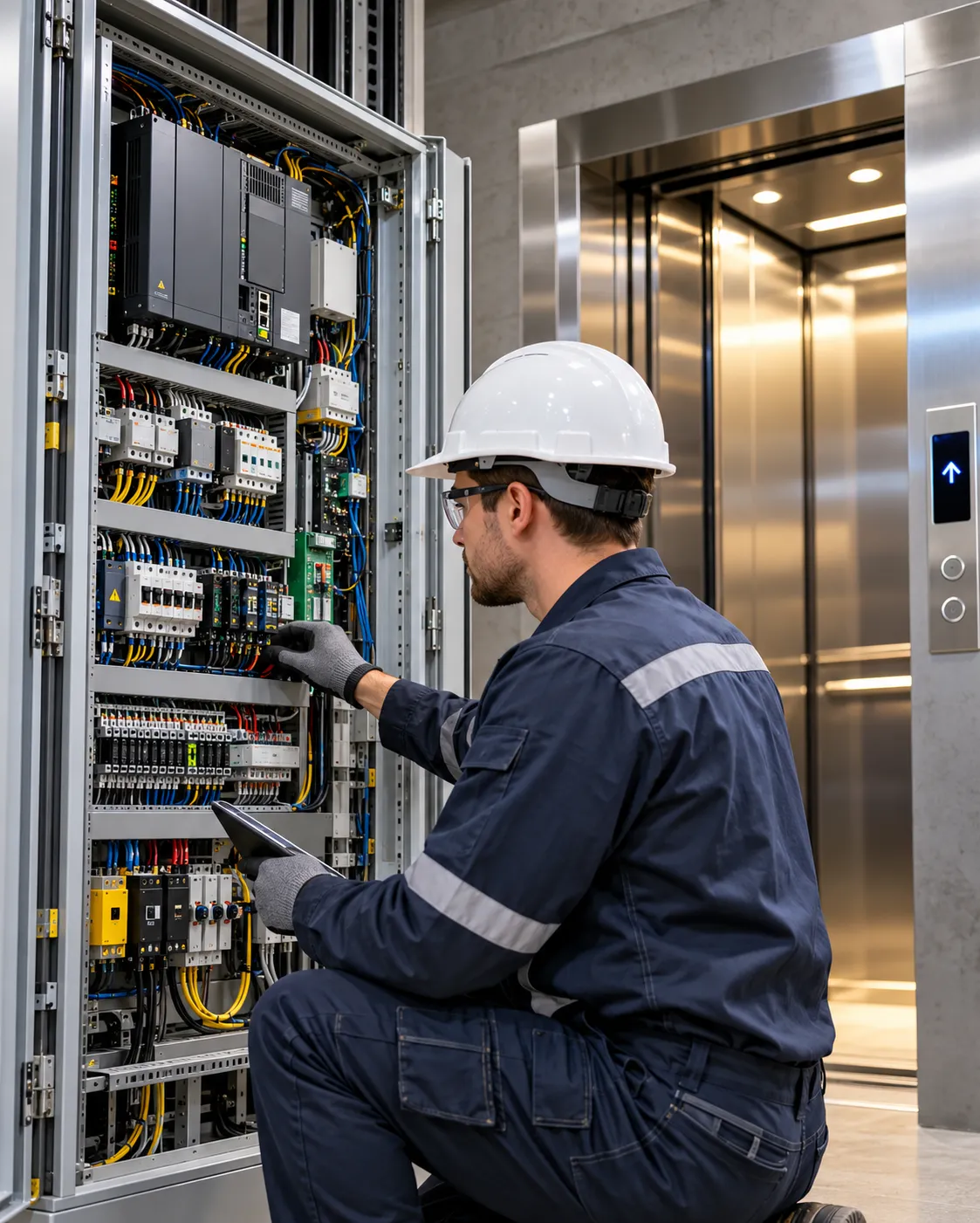
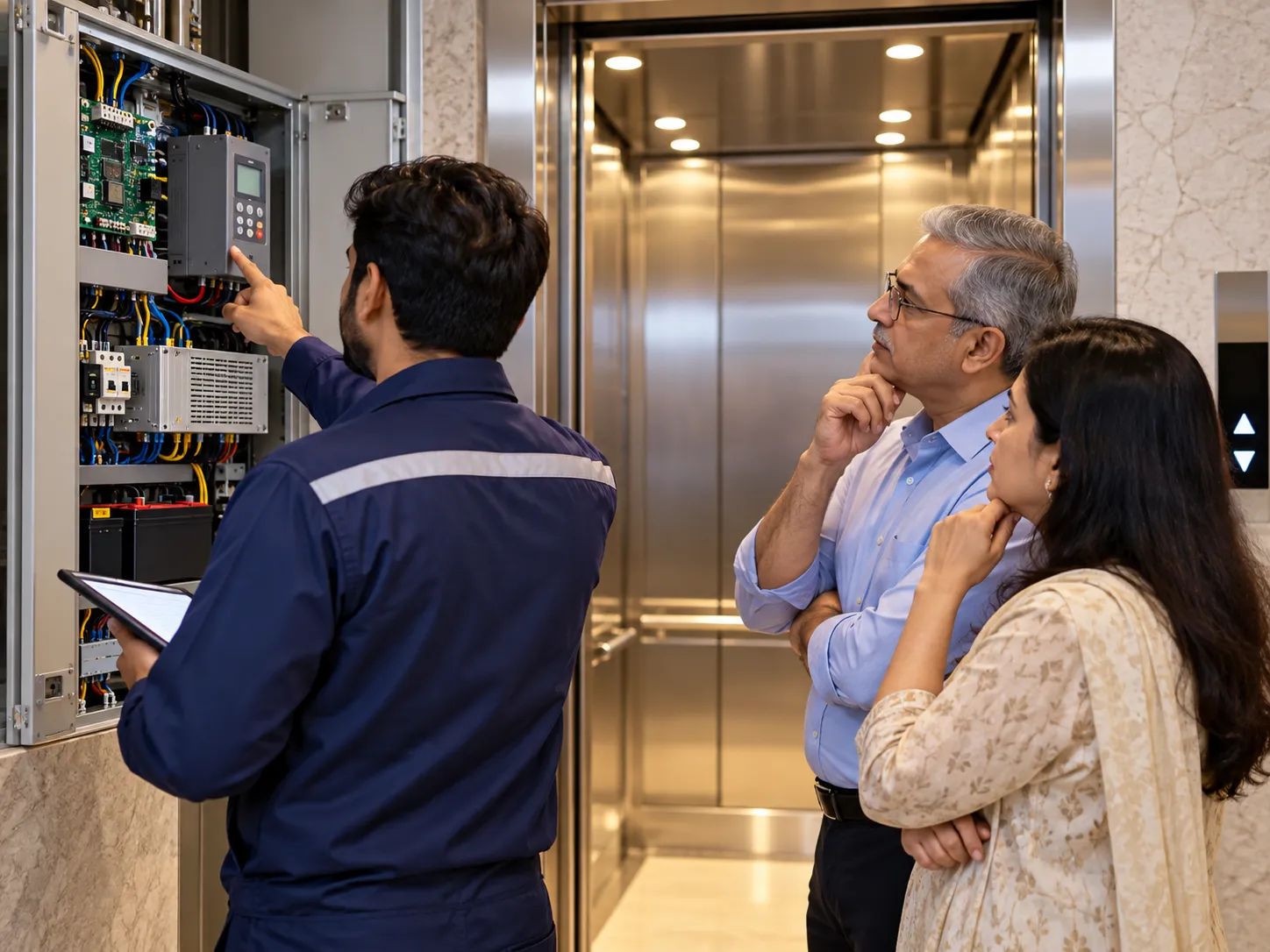
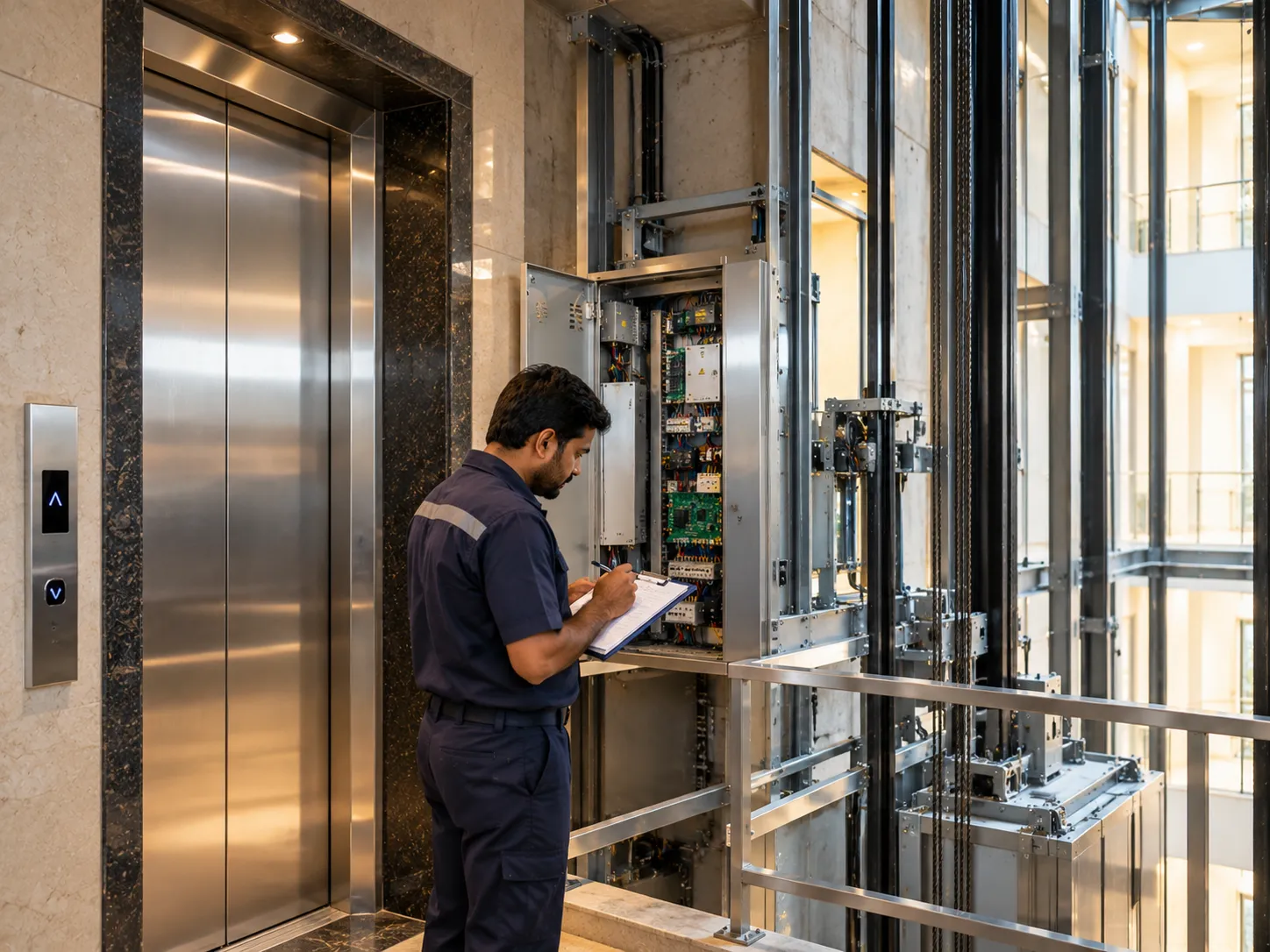
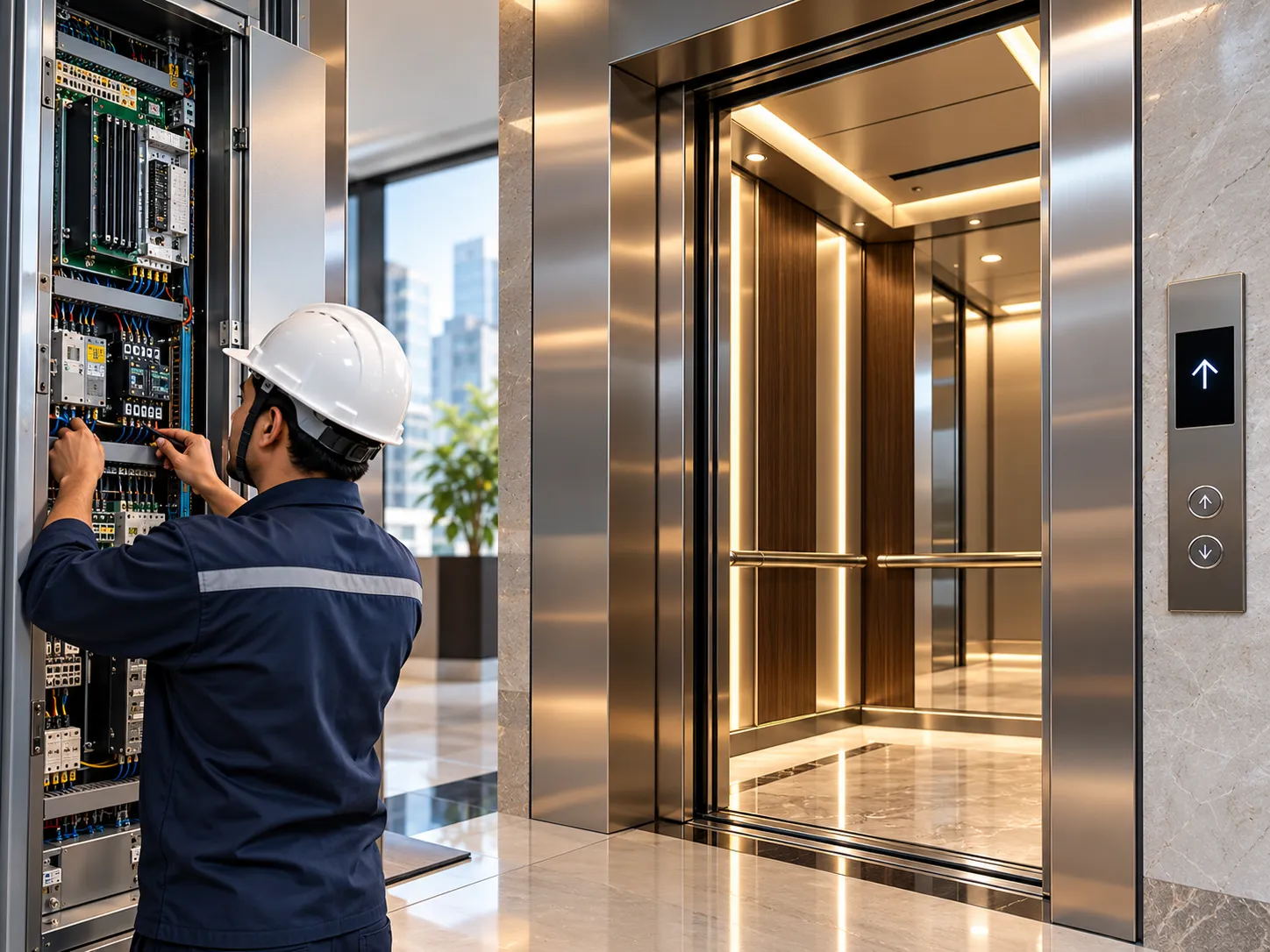
Technician checking an elevator control panel

Illustrative photography

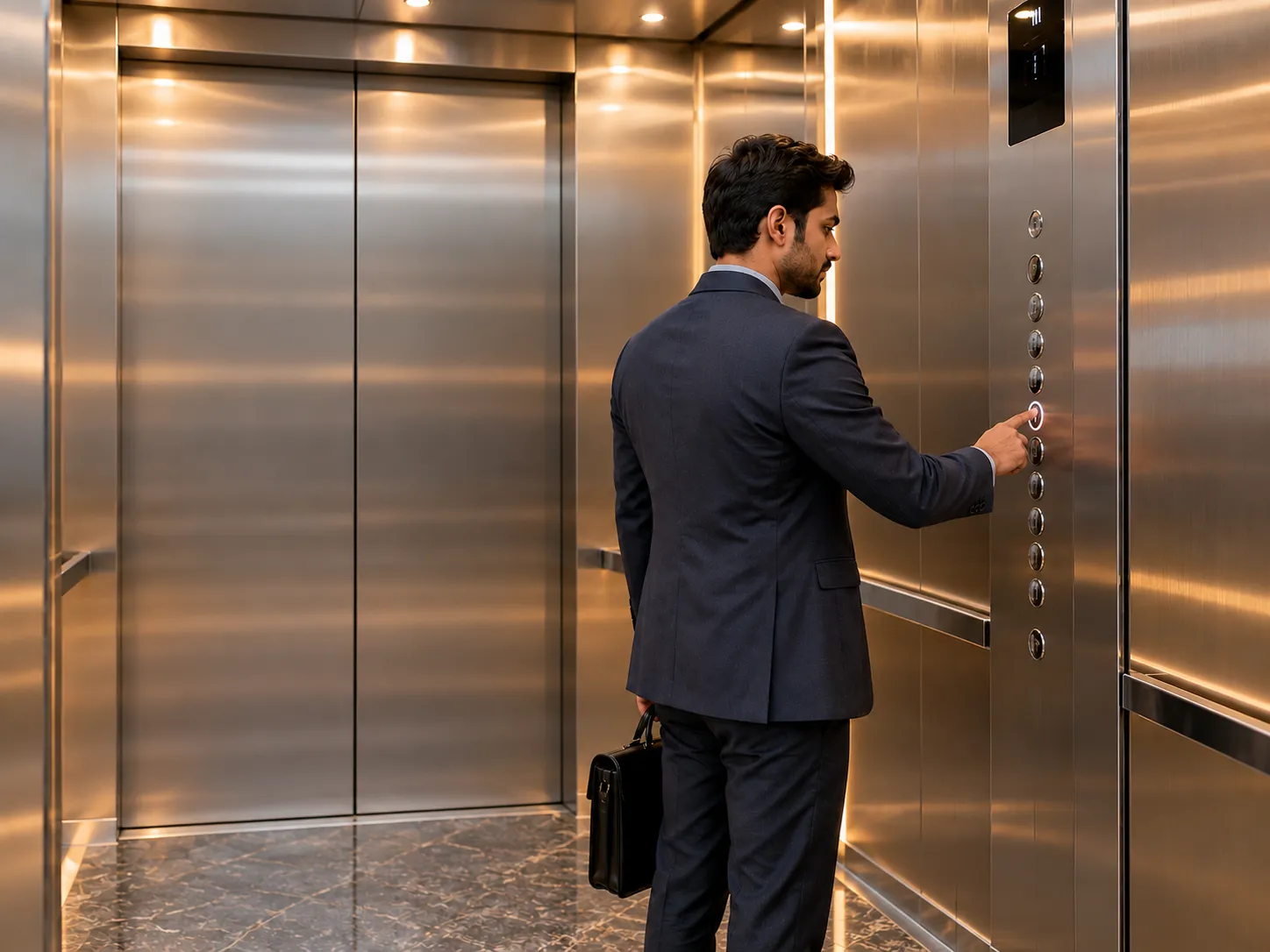
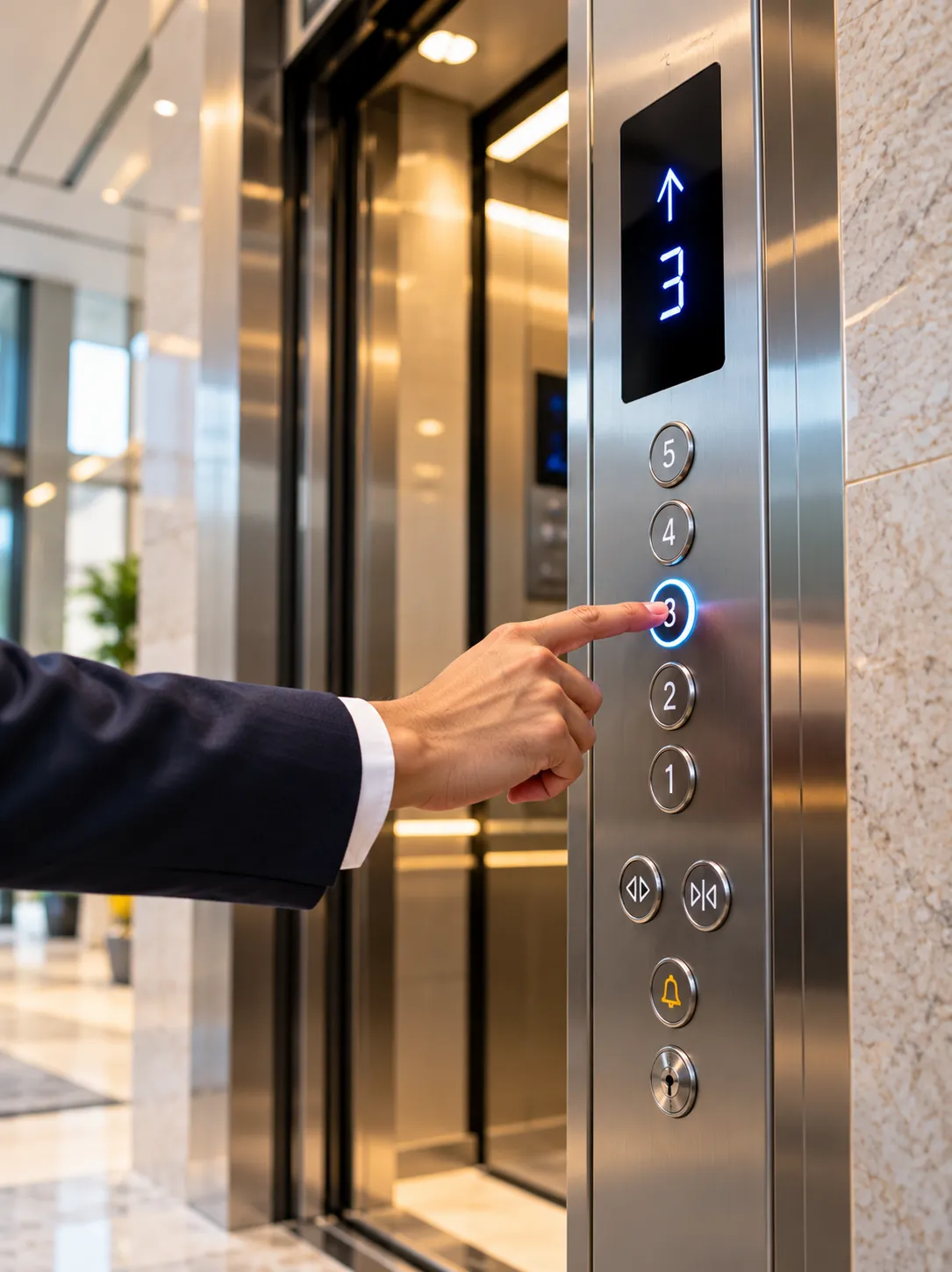
Passenger pressing an elevator button
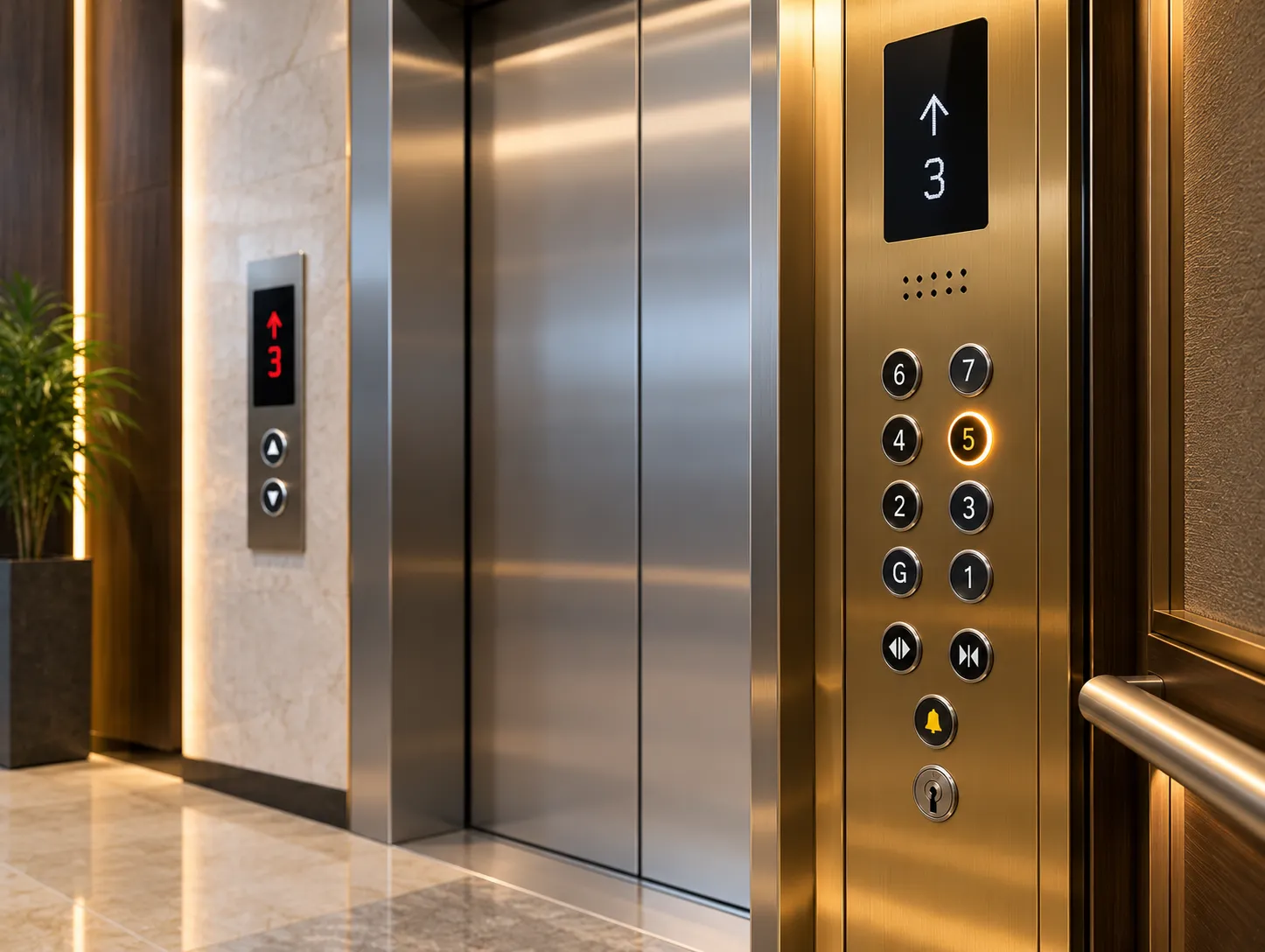
Elevator car operating panel

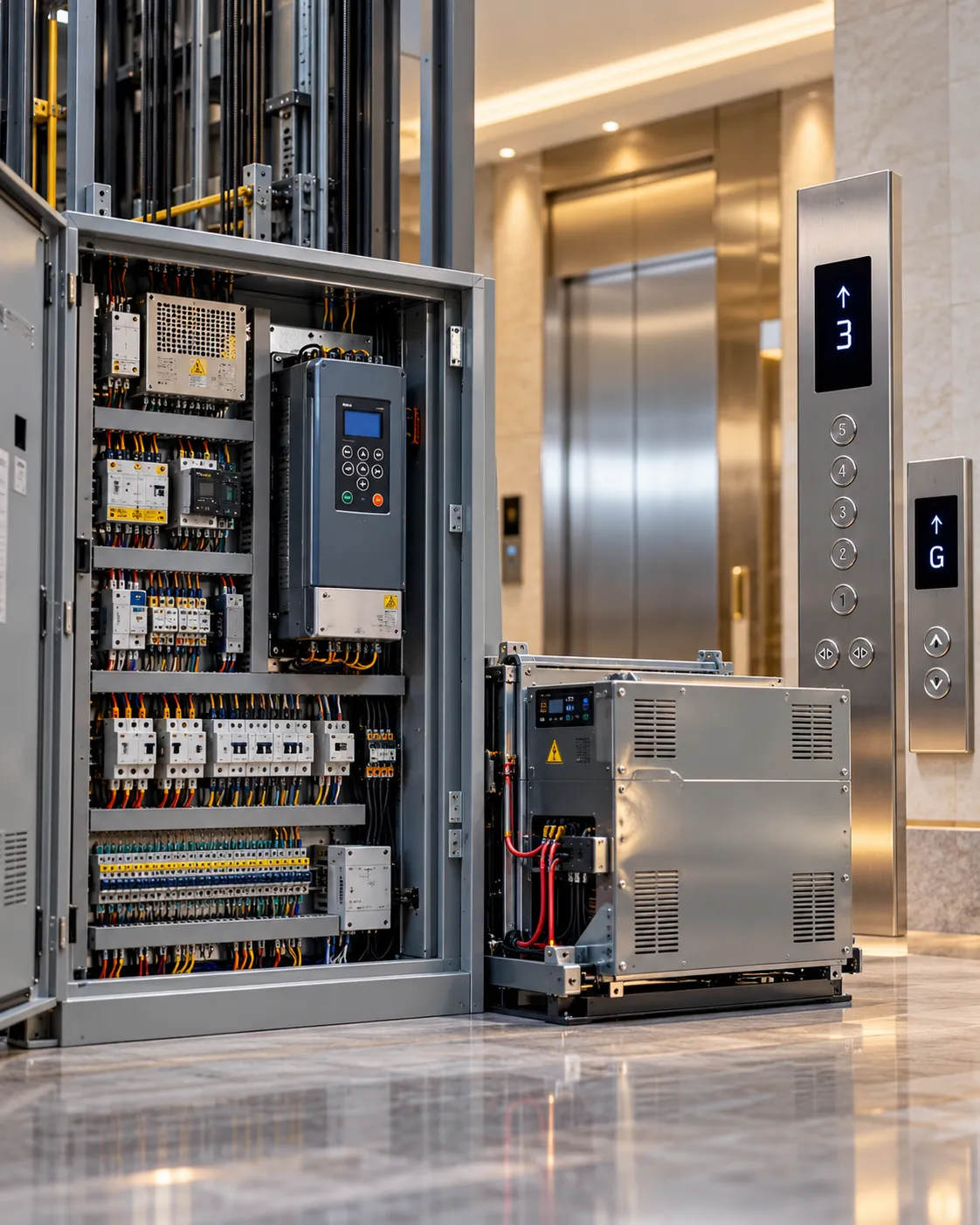
Control system

Inditech MRL200 with ARD

Passengers standing in an elevator
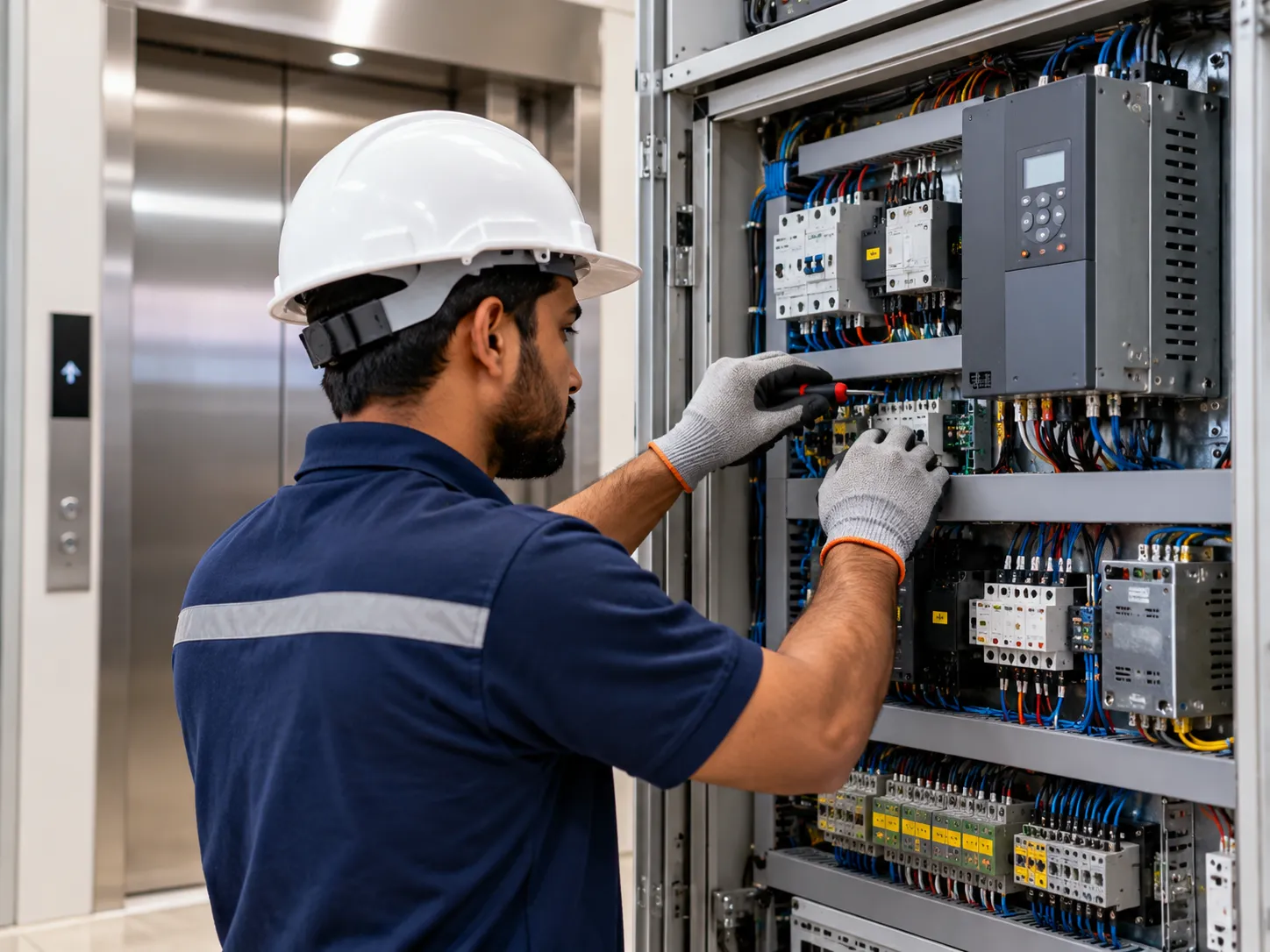
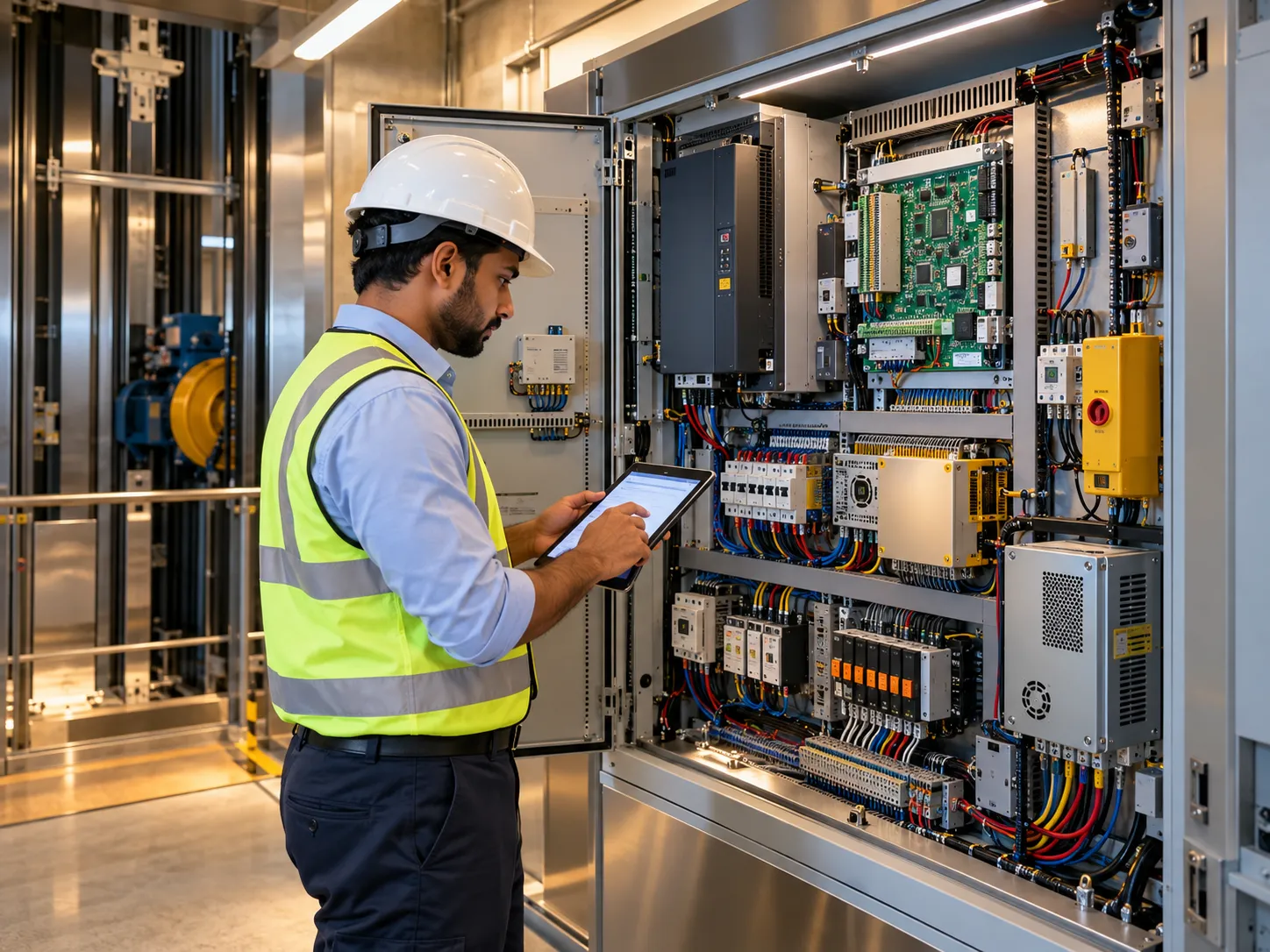
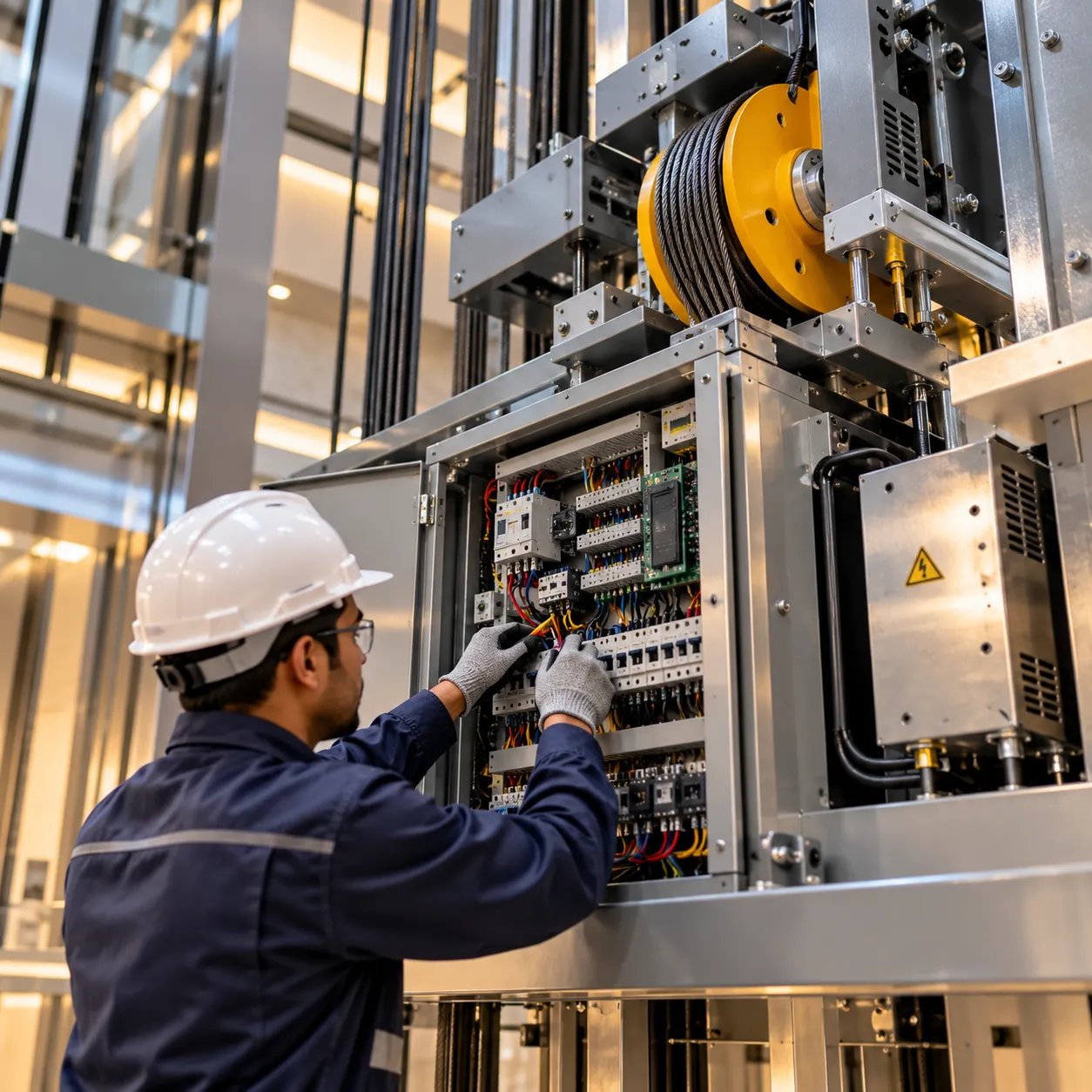
Technician checking an elevator control cabinet
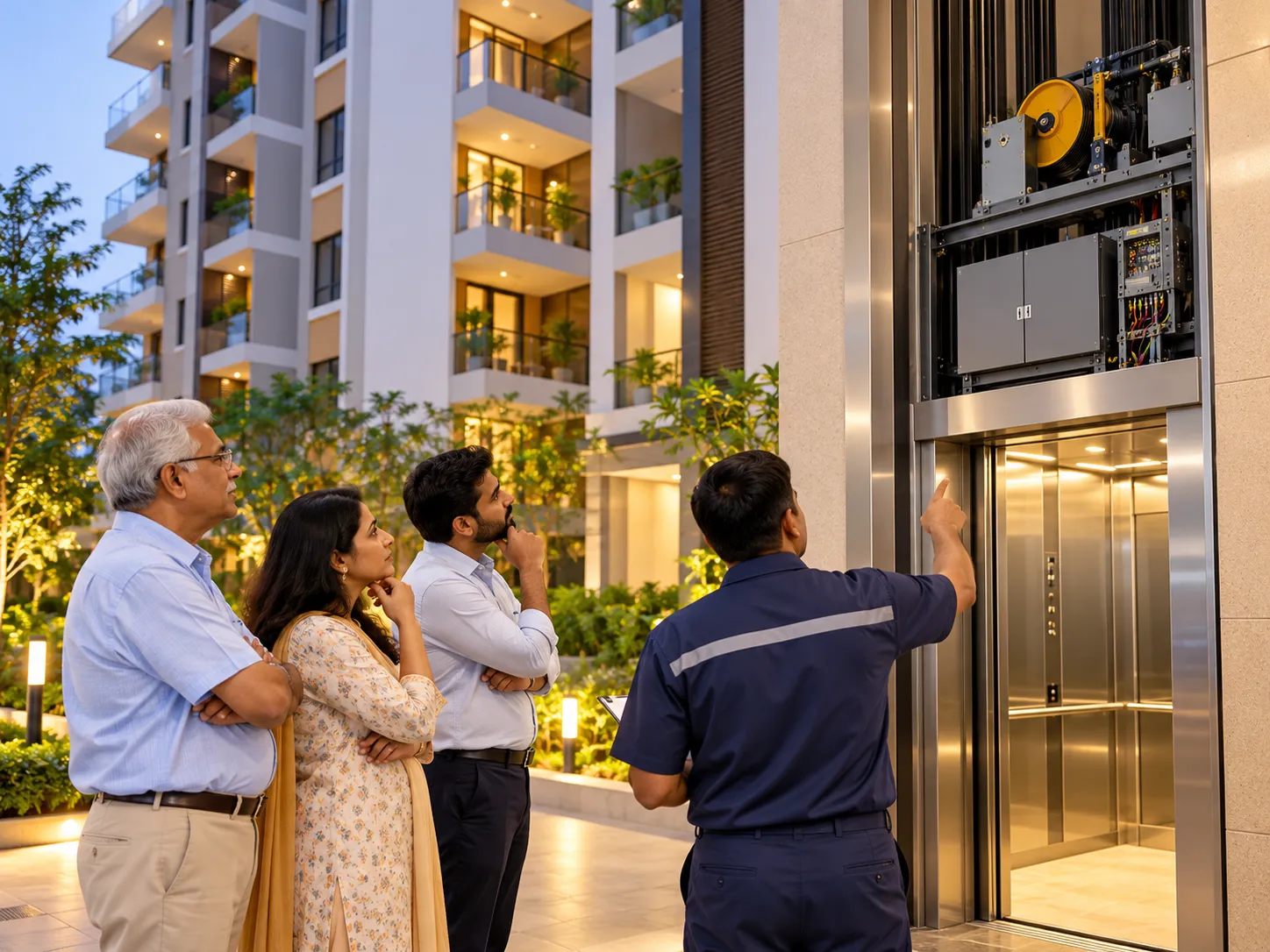
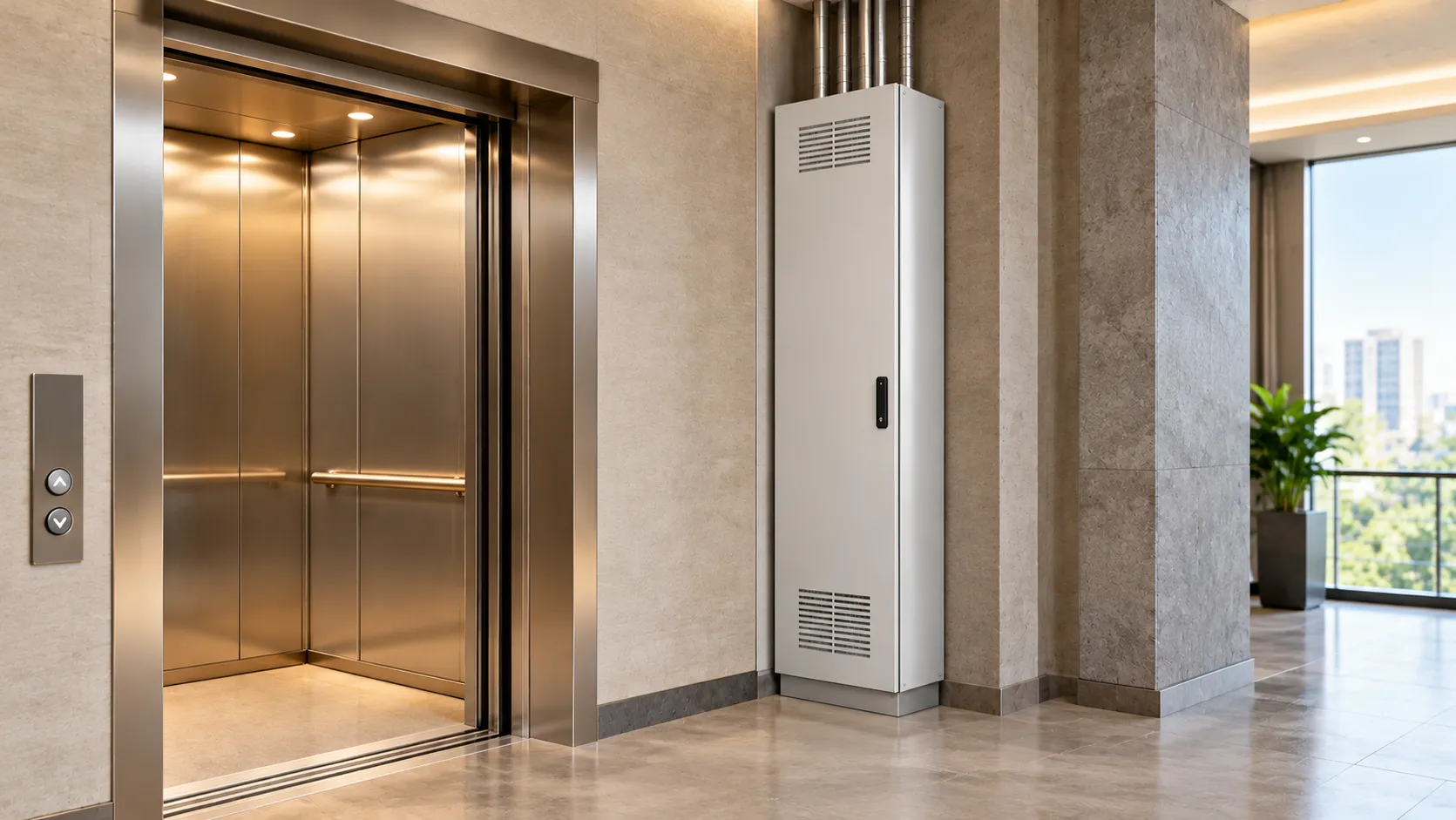
Technician inspecting an elevator entrance

Quick answer

What is an elevator safety and control system?

An elevator safety and control system is the set of electrical controls and safety devices that run a lift and protect its passengers. The control panel answers calls and drives the car. Door interlocks stop it moving with a door open, and an Automatic Rescue Device (ARD) brings it to a floor during a power cut.

  • Open elevator control panel

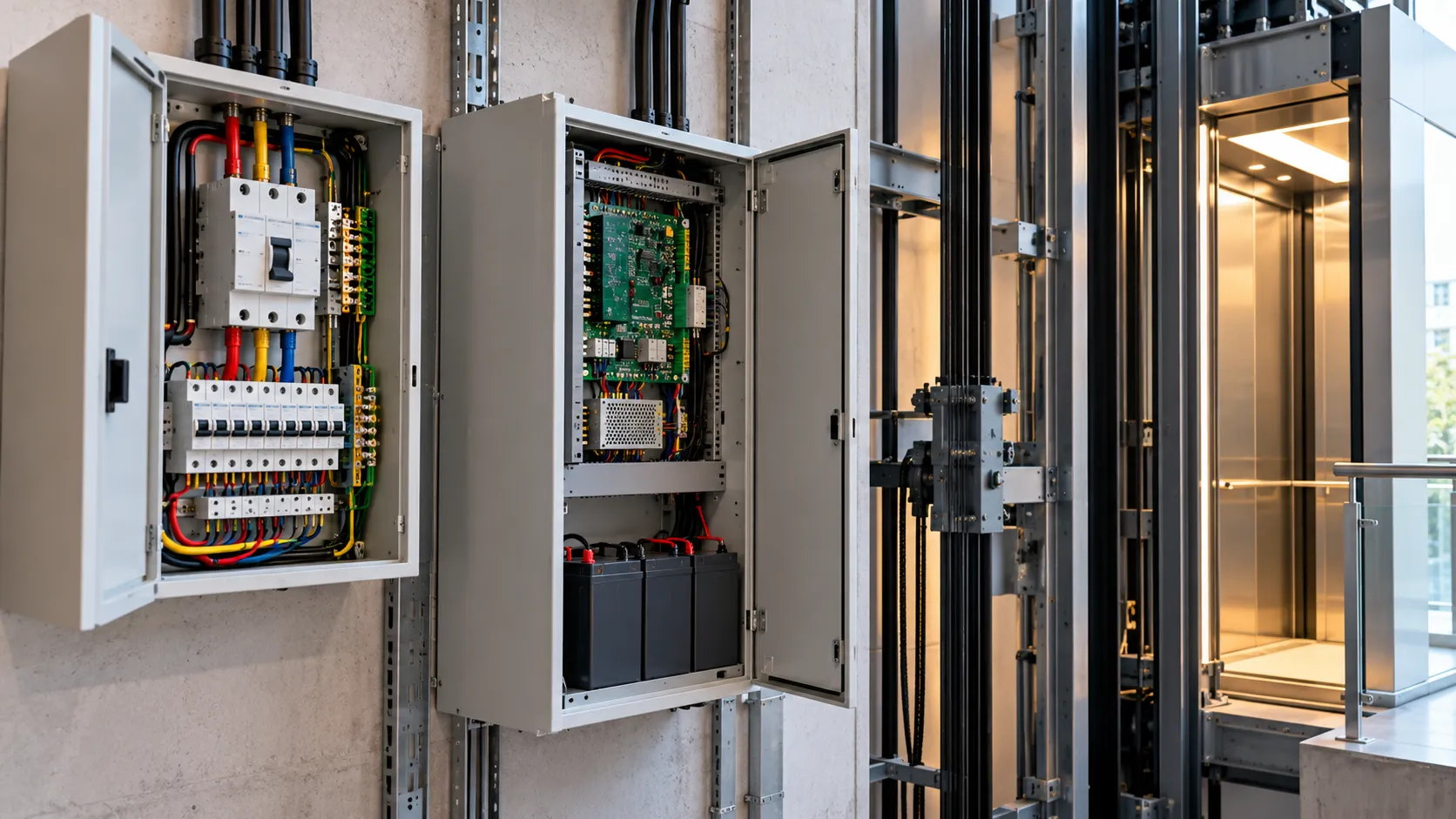
    Control panel

  • Elevator cabin and control panel

    Rescue on power failure

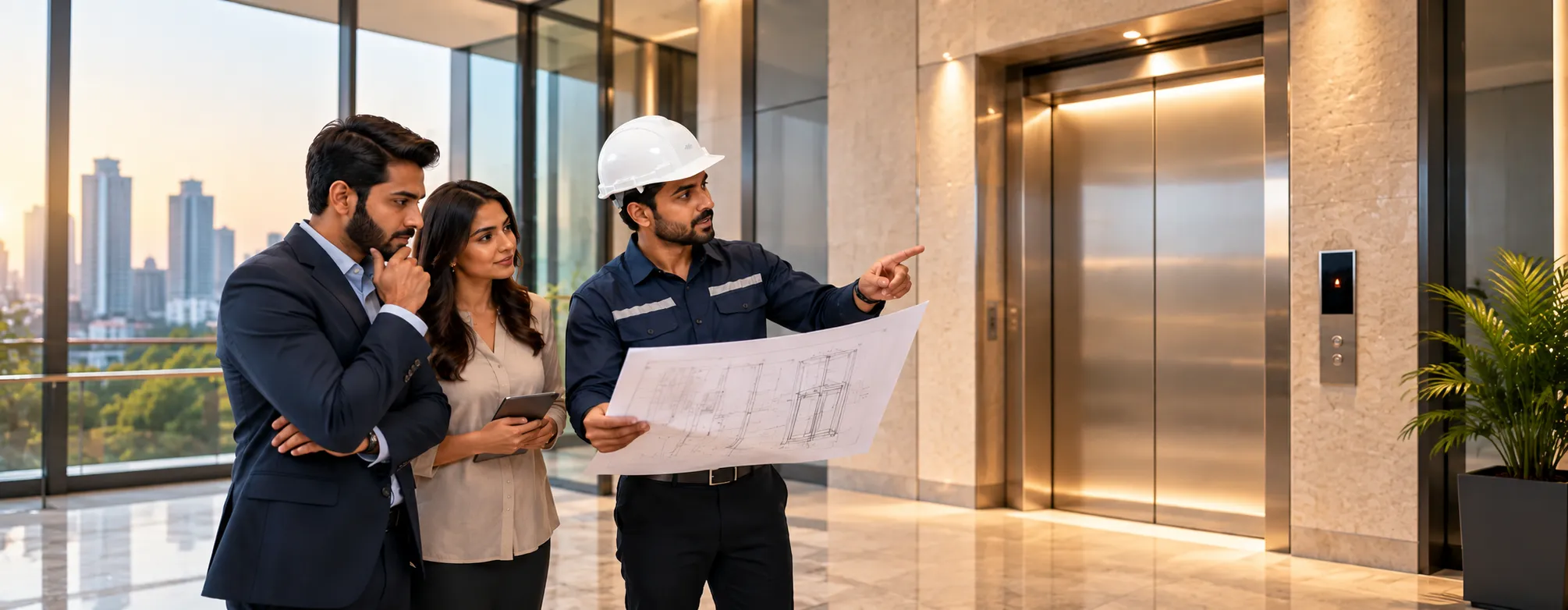
  • Elevator engineer discussing system options

    Car and landing panels

Who it's for

Who needs to understand a lift's safety and control system?

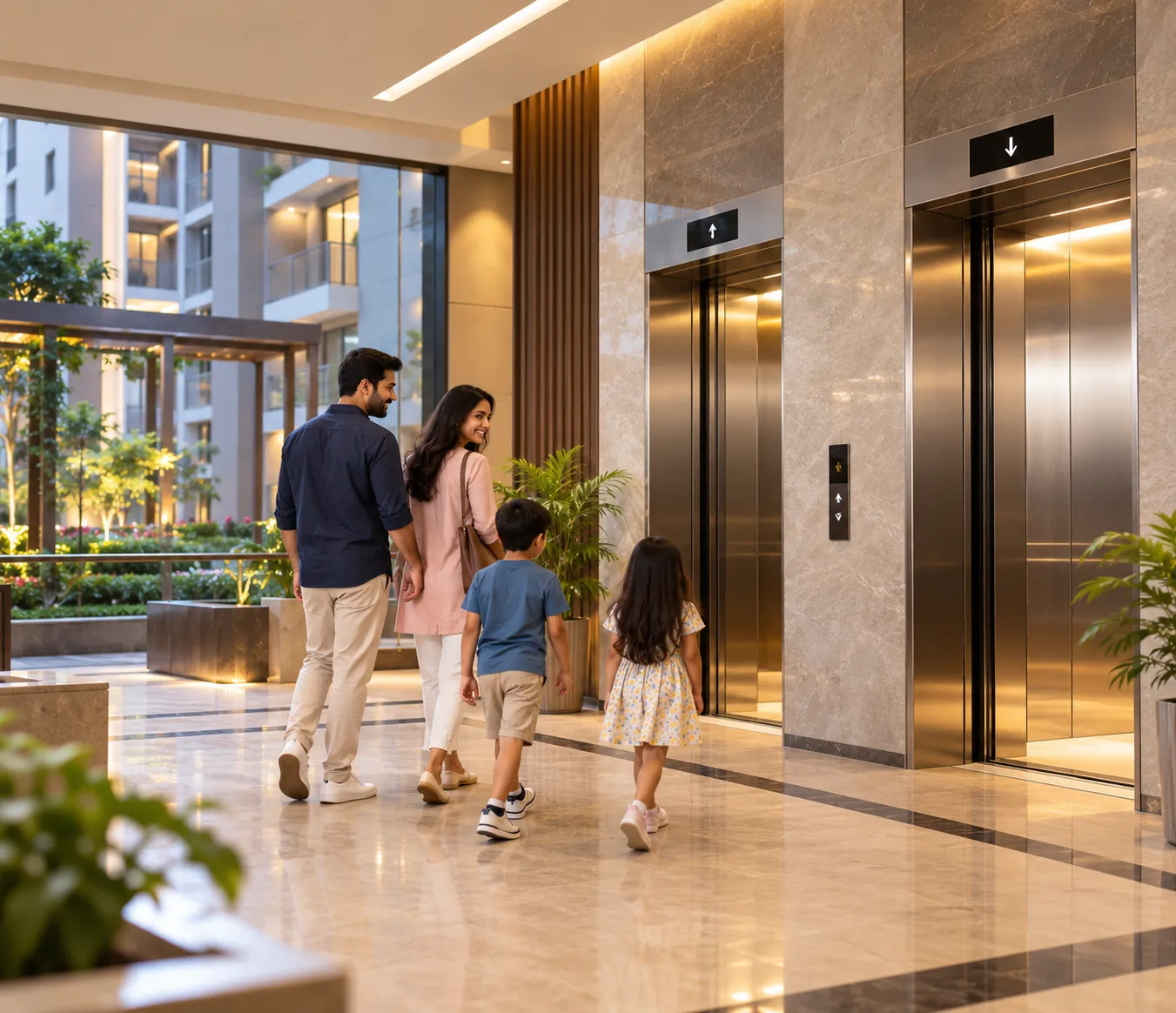
  • Family stepping into an elevator01

    Housing societies and building owners

    Know what protects residents during a power cut and what to check at every service visit.

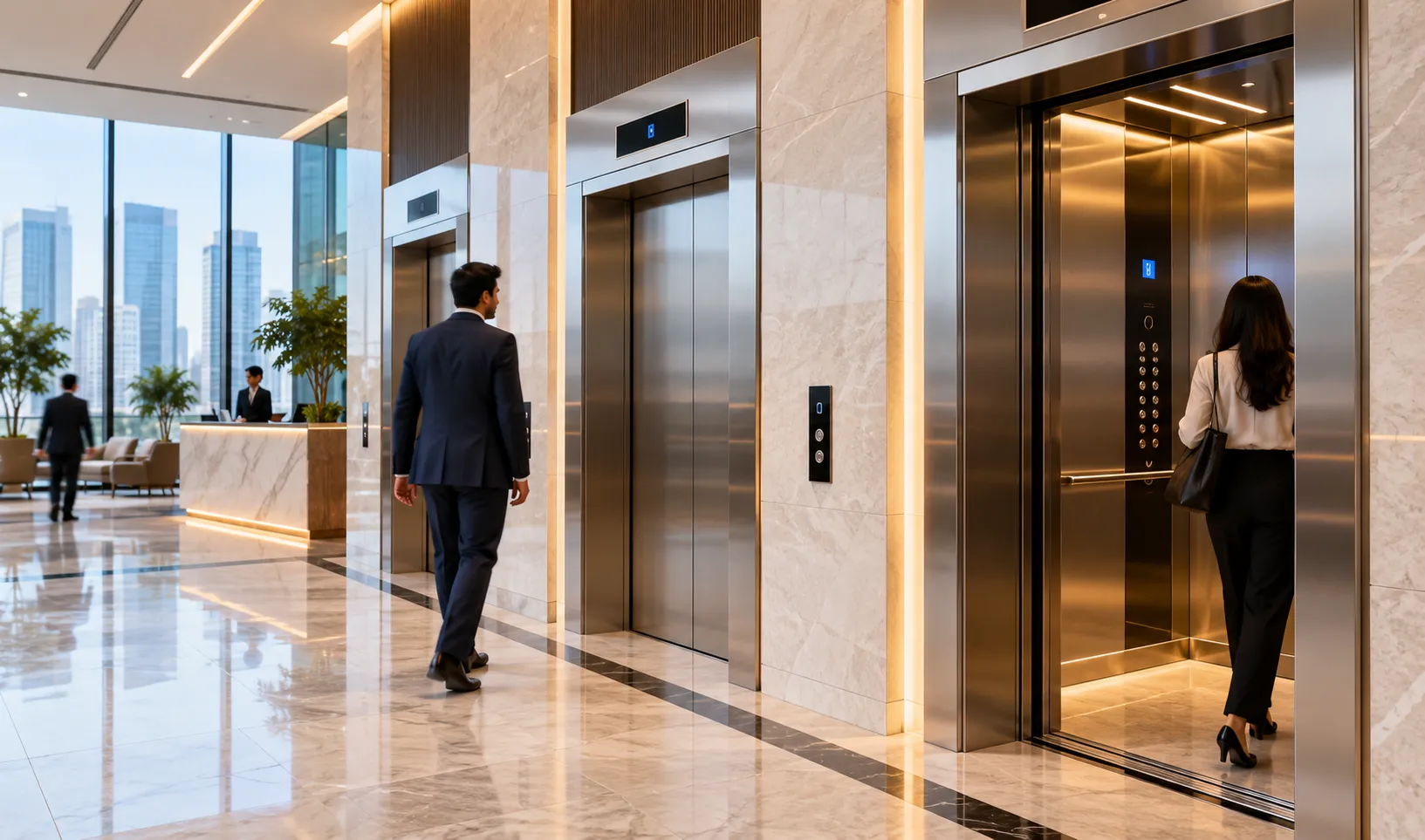
  • Passengers in a commercial elevator lobby02

    Builders and developers

    Choose the control system at design stage so it suits the lift, the shaft and the building's power supply.

  • Residential building with elevator access03

    Architects and MEP consultants

    Plan panel space, power feeds and rescue arrangements early, using real component specifications.

  • Elevator doors in a modern lobby04

    Owners of older lifts

    Find out whether rescue on power failure, clearer panels or a newer controller can be added to an existing lift.

Technician checking an elevator installation

Look at the control system closely when…

  • You are specifying a new lift and need panel, power and rescue details for your drawings
  • Power cuts are common in your area and passengers must never be left between floors
  • Your existing lift has no automatic rescue, or its controller is old and hard to diagnose

Consider instead

If you still need to choose the lift itself, start with passenger elevators or home elevators, then come back to the control system.

Rescue on power failure

What happens when the power fails mid-journey?

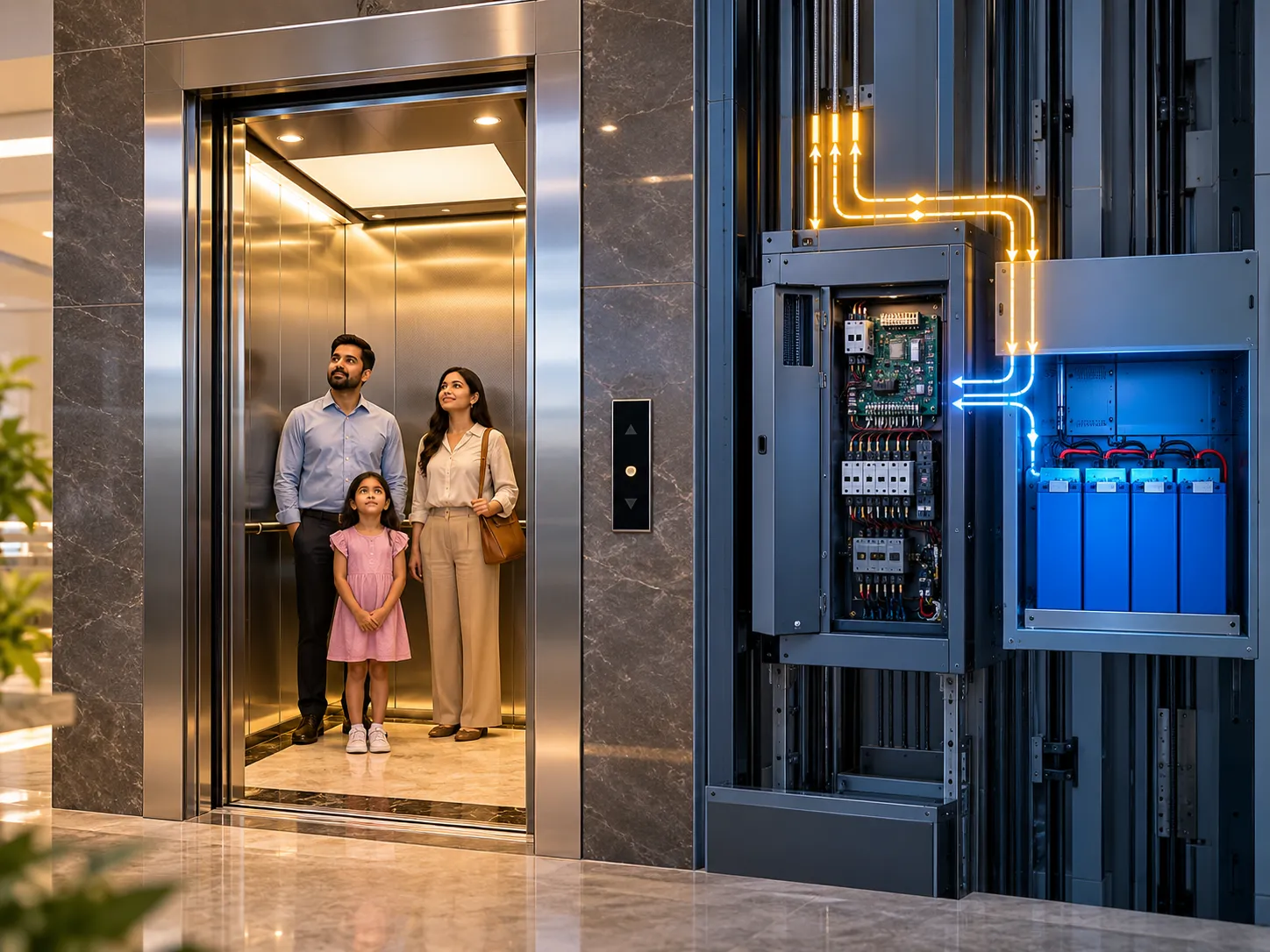
The Automatic Rescue Device works in two modes, mains mode and ARD mode. In both, the sequence is automatic, so nobody has to wind the car by hand.

  1. Elevator control equipment01

    Mains mode

    While mains power is on, the ARD passes the three-phase supply through to the control panel and keeps its own battery charged.

  2. Technician servicing an elevator02

    Power fails

    The ARD detects the failure and sends a signal to the control panel.

  3. Elevator electrical control components03

    Battery takes over

    The ARD supplies single-phase and two-phase power from its battery, so the controller can move the car.

  4. Passenger beside an elevator control panel04

    Passengers step out

    The car travels to a floor and the doors open. The car panel shows the ARD mode and battery status.

How it works

How a lift control system works

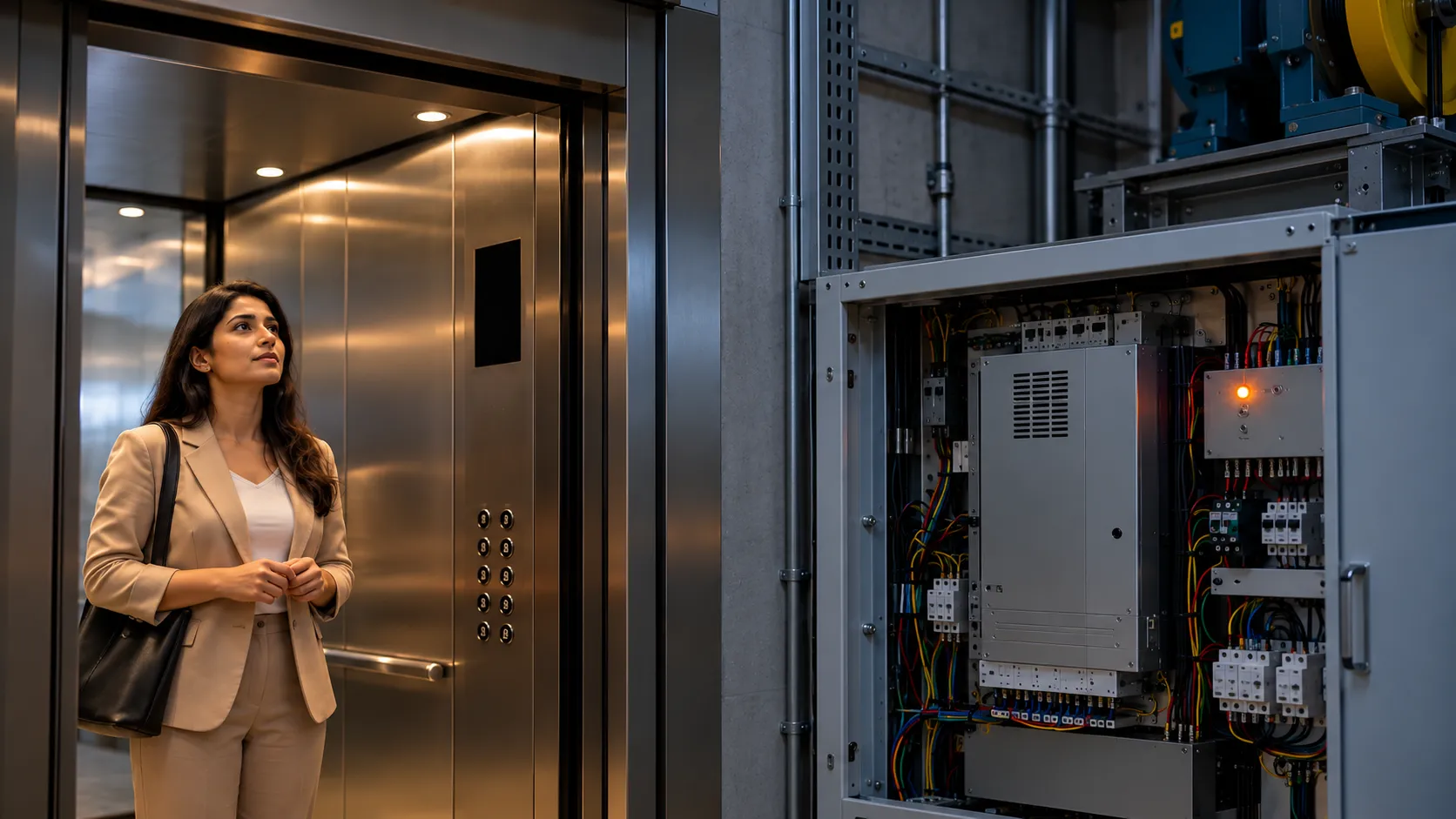
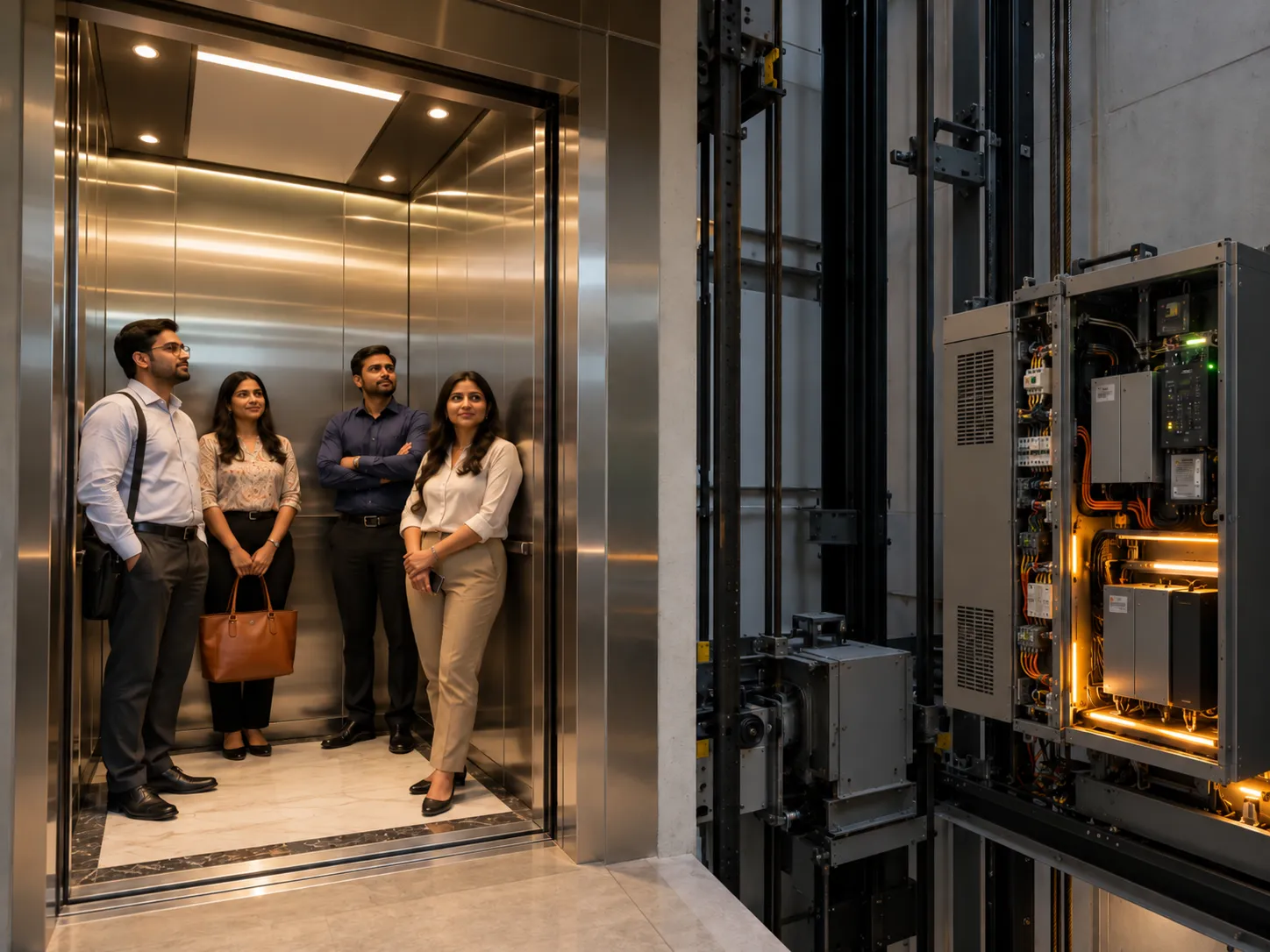
A lift control system has four parts that work together. The control panel is the centre: it registers calls from every floor and from inside the car, decides the direction of travel, runs the motor through its drive and slows the car to stop level with each floor. In the system GEVS uses, the drive and controller sit on one integrated card inside a slim panel.

The Automatic Rescue Device (ARD) sits between the building's mains supply and the control panel. On a normal day it passes power through and charges its battery. When the power fails, it takes over long enough to bring the car to a floor.

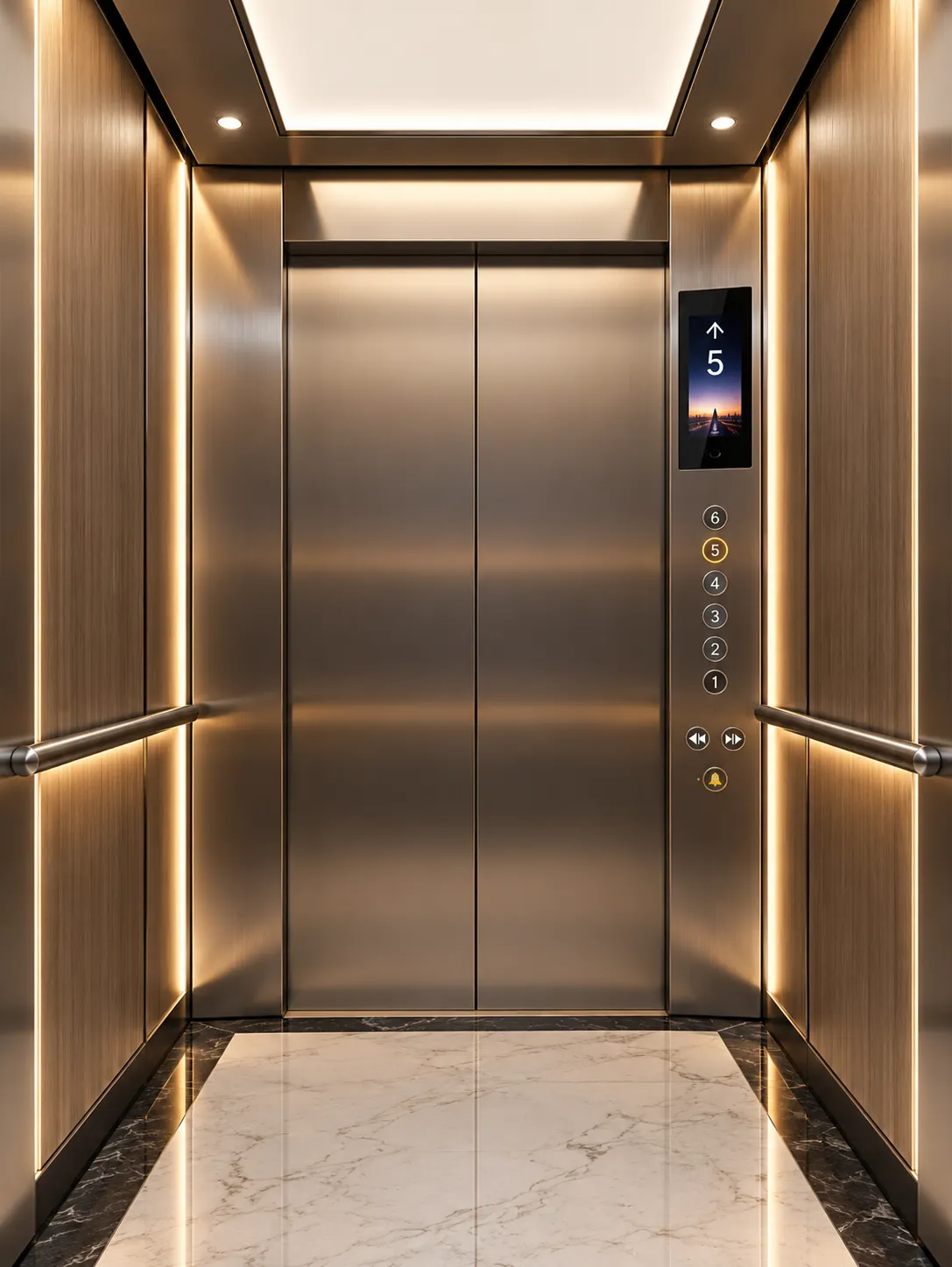
The Car Operating Panel (COP) inside the car and the Landing Operating Panel (LOP) at each floor are what passengers see and touch: call buttons, the floor display, the direction of travel and status messages such as “Inspection”, “Low battery” or “ARD mode”. The COP also carries the emergency communication system.

Safety circuits run the full height of the shaft and connect door locks, limit switches and other safety devices to the panel. If any of them opens, because a door is not locked or the car has gone past its normal stopping point, the controller stops the lift.

Passenger using an elevator
Family using an elevator with a technician
Read how ARD rescues passengers in a power cut →
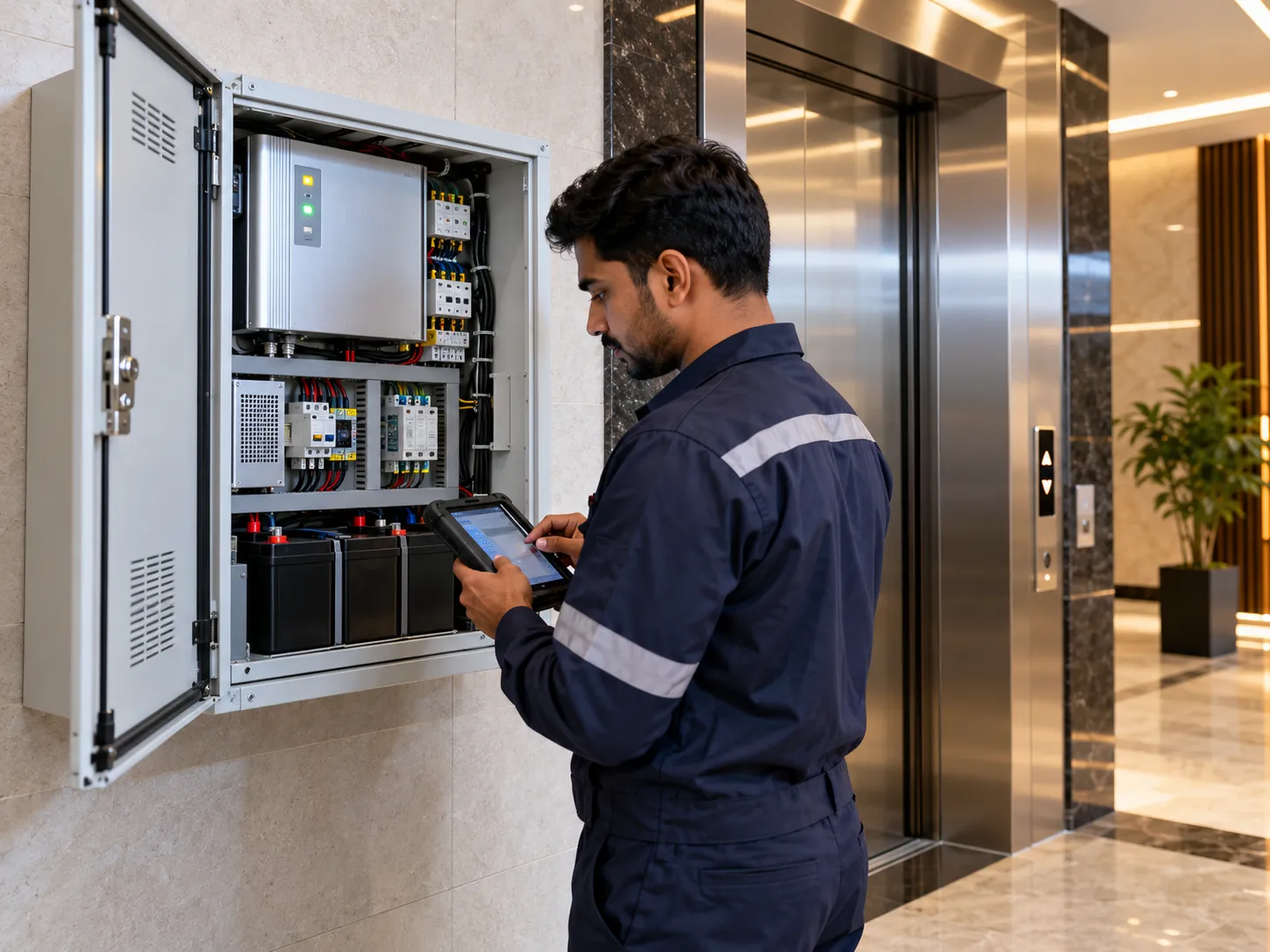
Lift control system wiring: mains to ARD to control panel to motor, car panel and landing panelsSHAFTF3F2F1GBuilding MCB3-phase mainsARDBattery backupControl panelDrive + controllerLift motorCARCar-top boxCOPLOPLOPLOPLOPPowerSignalsDoor lock
How the system connects. Mains power from the building's MCB feeds the ARD, which feeds the control panel. The panel drives the lift motor and connects through the car-top box to the Car Operating Panel, and through the shaft wiring to a Landing Operating Panel at every floor. Up and down safety circuits link the shaft safety devices back to the panel.

Features

Features and benefits

  • 01

    Automatic Rescue Device (ARD)

    What it does
    On power failure, battery power lets the car reach a floor and open its doors
    Why it matters
    Passengers are not left trapped between floors during a power cut
  • 02

    Door safety and electrical interlocking

    What it does
    The lift cannot run unless the doors are safely closed and locked
    Why it matters
    Guards against the most serious lift hazard: an open door with no car behind it
  • 03

    Unintended car movement protection (UCMP)

    What it does
    Detects and stops car movement that should not be happening
    Why it matters
    Adds protection at the moment people step in and out
  • 04

    Direct landing

    What it does
    Brings the car smoothly and level to each floor
    Why it matters
    Reduces trip steps at the door sill and makes the ride more comfortable
  • 05

    Integrated drive and control card

    What it does
    Combines the drive and controller in one compact unit
    Why it matters
    A smaller panel and fewer interconnections to fail
  • 06

    Pluggable harness

    What it does
    Pre-made, plug-in connections for the panel, car-top box, COP and LOPs
    Why it matters
    Fewer manual wiring joints, so installation and later maintenance are quicker
  • 07

    Last fault record

    What it does
    Stores the most recent fault
    Why it matters
    Technicians find the cause faster, which shortens downtime
  • 08

    Secured remote parameter tool

    What it does
    Settings are changed with a remote tool, and each panel circuit board is linked to an authorised customer ID
    Why it matters
    Configuration can only be changed by authorised personnel
  • 09

    Clear COP and LOP displays

    What it does
    Floor position, direction and scrolling status messages
    Why it matters
    Passengers always know where the lift is and what it is doing

Specification

Specifications

General system specifications and component data.

General specifications

General elevator safety and control specifications
ParameterGeneral specification
System typeElevator control and safety system
ApplicationPassenger and other compatible elevator installations
Controller typeMicroprocessor-based elevator controller
Control functionsFloor selection, car movement, door operation and position control
Operating modesNormal operation, inspection and emergency modes, as supported by the system
Car Operating Panel (COP)Floor selection buttons and configured indicators
Landing Operating Panel (LOP)Hall-call buttons and optional position/direction indicators
Automatic Rescue Device (ARD)Emergency rescue during qualifying power failures
Door safetyDoor interlocks and door safety circuit
Overspeed protectionGovernor and associated safety gear, as applicable
Travel-limit protectionLimit and final-limit switches, as required by the design
Emergency communicationAlarm and communication facilities as configured
Electrical protectionEarthing, overcurrent protection and other required electrical safeguards
WiringControl cables, connectors and compatible wiring harness
Power supplyAs specified for the selected controller, drive and motor
Safety complianceApplicable Indian standards and statutory requirements, verified for the complete installation

Control panel

Control panel specifications
ItemSpecification
ModelMRL200 with ARD
Panel size300 × 1600 × 210 mm
Floor capacity (supplier rating)Up to 64 floors
Built-in protectionMCB, contactor, relay and protection circuit integrated
Maintenance accessModular design for easy access

Automatic Rescue Device (ARD)

Automatic Rescue Device specifications
ItemSpecification
Control16-bit microcontroller, single-board design
OutputPure sine wave; single-phase and two-phase supply in ARD mode
ProtectionLow-voltage and high-voltage protection; three-phase detection
Battery compatibility7.2 Ah, 12 Ah and 18 Ah
DisplayLCD showing charging current, battery voltage and output voltage
Low-battery warningPre-battery-low indication output, stated by the supplier as per IS 17900

Car Operating Panel (COP) and Landing Operating Panel (LOP)

COP and LOP specifications
ItemCOPLOP
DisplayDot matrix or TFT (5" and 7")Dot matrix or TFT
MountingWallWall
Operating voltage24 V DC24 V DC
Communication4-wire serial4-wire serial
Emergency featuresBattery-low indication, 20 lux emergency light and power-saving mode, stated by the supplier as per IS 17900; integrated emergency communicationPower-saving mode, stated by the supplier as per IS 17900

Source: Inditech system documentation and IS 17900 compatibility declaration supplied to GEVS. The figures describe the components, not a complete lift. Your lift's capacity, speed and number of stops are set by the lift design for your building.

Civil & electrical

Power supply and panel space

Elevator control panel and electrical cabinet

What power supply does the system need?

In normal operation the ARD passes a three-phase supply from the building's MCB through to the control panel. The building must provide that dedicated supply and earthing. In a power cut, the ARD's battery supplies the power for the rescue run, so its battery is part of the safety system and must be kept in good condition.

Read: single-phase vs three-phase power for lifts
Elevator team reviewing project plans

How much space does the control panel take?

The MRL200 panel measures 300 × 1600 × 210 mm. That slim footprint is designed for machine room-less (MRL) lifts, where there is no machine room to hold a large cabinet. Its exact location is agreed with the builder or architect during the lift drawings.

Read: MRL elevators explained

Specifying a new lift, or worried about an old one in a power cut? Talk it through with a GEVS engineer.

Request Technical Consultation

Options

Car and landing panel options

Elevator car operating panel

The panels are the part of the safety system passengers see, so they can be matched to the building:

  • 01

    Display

    Dot-matrix or TFT screen, with 5" and 7" TFT options on the COP

  • 02

    Layout and branding

    Customisable display, logo and button layout

  • 03

    Messages

    Scrolling status messages such as “Inspection”, “Low battery” and “ARD mode”

  • 04

    In the cabin

    Each design in the GEVS cabin catalogue specifies its COP style

View all 13 cabin designs

Honest trade-offs

Advantages and limitations

Advantages

  • Automatic rescue on power failure, with no manual winding
  • Compact panel suited to machine room-less shafts
  • Pluggable wiring and a stored fault record make maintenance quicker
  • The supplier declares the panel, ARD, COP and LOP IS 17900-compatible

Limitations to plan for

  • The ARD depends on its battery. An ageing or neglected battery may not complete a rescue, so it must be checked at maintenance visits
  • This is the electrical control system. Mechanical safety parts such as the brake, safety gear and overspeed governor are separate and need their own checks
  • Settings can only be changed with an authorised remote tool. If you change maintenance provider, ask how authorised access will be handled
  • That declaration covers the components. It is not a certification of a complete lift, whose safety also depends on installation, testing and maintenance

Process

How the system is installed and commissioned

  1. 1Survey: floors, lift type, door equipment and the building's power supply are checked
  2. 2Panel and ARD fitted and connected to the building's MCB feed
  3. 3Harness laid to the car-top box, the COP, a LOP at every floor and the shaft safety devices
  4. 4Setup: drive tuned to the motor and shaft; parameters set with the remote tool
  5. 5Testing and handover: safety circuits, door interlocks, levelling and the ARD rescue run
More on elevator installation

What affects the scope and cost of a control system?

Factors that affect cost
FactorEffect on cost
Number of floorsEach floor needs its own LOP and harness run
Display choiceTFT screens and custom layouts cost more than standard dot-matrix panels
ARD battery capacityThe battery is chosen to suit the lift and is replaced over the lift's life
New lift or upgradeAn upgrade depends on how well the existing motor, doors and shaft wiring suit a new controller, which only a site survey can confirm
Panel customisationBranding, logos and special button layouts add design and setup work

We don't publish generic prices: a written quotation follows the site survey. See elevator cost factors.

Safety

Safety, standards and compliance

The control panel, ARD, COP and LOP used by GEVS are declared IS 17900-compatible by our component supplier, Inditech.

IS 17900 is the Indian standard for lift safety. It covers safety requirements, design, installation, testing, inspection, operation and maintenance. Several functions of the panels are stated by the supplier as implemented according to it:

  • Battery-low indication on the car panel
  • A 20 lux emergency light in the car
  • Power-saving mode on the car and landing panels
  • Pre-battery-low warning output from the ARD

Other standards that apply to lifts in India are the IS 14665 series for electric traction lifts, the National Building Code of India and, in Maharashtra, the state's lift legislation and rules.

IS 17900 lift safety standard explained
Technician servicing an elevator

Maintenance

Safety systems only protect people if they are checked. Under an elevator AMC, preventive visits test door interlocks, safety circuits, levelling and the ARD with its battery, and record what was done.

Learn about elevator AMC plans

Documents

Downloads

FAQs

Frequently asked questions

Are GEVS lifts IS 17900 certified?

We state it precisely. The control panel, ARD, COP and LOP used by GEVS are declared IS 17900-compatible by our component supplier, Inditech. That is a declaration about those components, not a certification of a complete lift. A lift's overall safety also depends on correct installation, testing and regular maintenance.

IS 17900 explained →

How does the ARD work during a power cut?

The ARD detects the power failure, signals the control panel and supplies power from its battery. The car can then travel to a floor and open its doors. While this happens, the car panel shows “ARD mode” and the battery status, and the ARD's own display shows output voltage, discharge current and battery voltage.

How lift safety features work →

Which batteries does the ARD use, and how often should they be checked?

The ARD is compatible with 7.2 Ah, 12 Ah and 18 Ah batteries and gives a warning before the battery runs low. Batteries age even when they are rarely used, so their condition and the rescue run should be checked at preventive maintenance visits and the batteries replaced when they weaken.

What is UCMP in a lift?

UCMP stands for unintended car movement protection. It detects movement of the car that should not be happening, for example drifting away from a floor while the doors are open, and stops it. The MRL200 control panel lists UCMP among its safety functions.

What do COP and LOP mean?

The Car Operating Panel (COP) is inside the car, with floor buttons, door buttons, alarm, display and emergency communication. A Landing Operating Panel (LOP) is at every floor. It lets people call the lift and shows where the car is and which way it is going. Both show status messages such as “Inspection” or “Low battery”.

Can an ARD or a new control panel be added to an older lift?

Often, yes. Many older lifts can be upgraded with an ARD, new operating panels or a new controller without replacing the whole lift. Whether yours can depends on the existing motor, doors, shaft wiring and condition, which an engineer assesses on site.

Elevator modernization →

Who can change the settings on the control system?

Only authorised personnel. Parameters are set with a remote tool, and the circuit boards in the COP, LOP and car-top box are each linked to a specific customer ID, so unauthorised programming or configuration changes are blocked. This protects the lift from untrained adjustments.

Next step

Talk to a GEVS engineer about lift safety.

Tell us whether you are planning a new lift or upgrading an existing one, how many floors it serves and what worries you about it. We'll explain the control and rescue arrangement that suits it, in plain language and in writing.

Written by the GEVS team · Last reviewed: · GEVS – Gauri Enterprises Vertical Solutions, based in Pimpri Chinchwad, Pune

Get a Quote